Is Climate Storage Worth It for Collector Cars?

A collector car can lose condition while sitting perfectly still. A humid summer can encourage corrosion in hidden metalwork. A cold snap can weaken a battery. Repeated temperature swings can stress seals, interior materials, and old finishes. So, is climate storage worth it? For many exotic, classic, and collector-car owners, the answer is yes - provided the facility treats storage as active care, not simply a premium parking space.
The real question is not whether a building has air conditioning. It is whether its climate, security, operating procedures, and service options match the car, its value, and how you plan to use it. A 1960s convertible stored through a coastal winter has different needs than a late-model supercar awaiting a few weekend drives. Both deserve a clear plan.
Is Climate Storage Worth It? Start With the Risk
Climate-controlled storage earns its cost by reducing the conditions that gradually compromise a car. It is most valuable when your home garage cannot offer stable conditions, your local weather is severe, or the vehicle will sit long enough for small issues to become expensive ones.
Temperature stability matters because cycles of heat and cold affect more than driver comfort. Condensation can form when warm, humid air meets cooler vehicle surfaces. Over time, moisture can contribute to corrosion on fasteners, brake components, electrical connections, and exposed underbody hardware. Older cars, vehicles with original finishes, and cars with delicate leather, wood, rubber, or fabric components can be especially sensitive.
Humidity control is often the more important part of the equation. A facility can feel cool while still allowing moisture levels that are unfavorable for a stored vehicle. In coastal markets, South Florida, and areas with hot, wet summers, controlled humidity helps protect interiors, reduce musty odors, and limit the slow corrosion that may not be visible until a service visit or sale inspection.
That does not mean every collector car needs a museum-like environment. A well-used modern sports car that is driven every two weeks may be fine in a clean, dry, insulated private garage. But a vehicle that sits for months, has irreplaceable original materials, or represents a significant financial asset deserves more deliberate protection.
What You Are Actually Paying For
The best climate storage programs combine environmental management with documented vehicle care. Climate control is the foundation, but it is not the whole service.
A serious facility should be able to explain its typical temperature range, how it manages humidity, and whether conditions are monitored throughout the storage area. Ask whether the space is fully conditioned or whether only offices and select bays receive climate control. If a provider cannot clearly describe its environment, assume the term “climate-controlled” may be doing more work than the actual system.
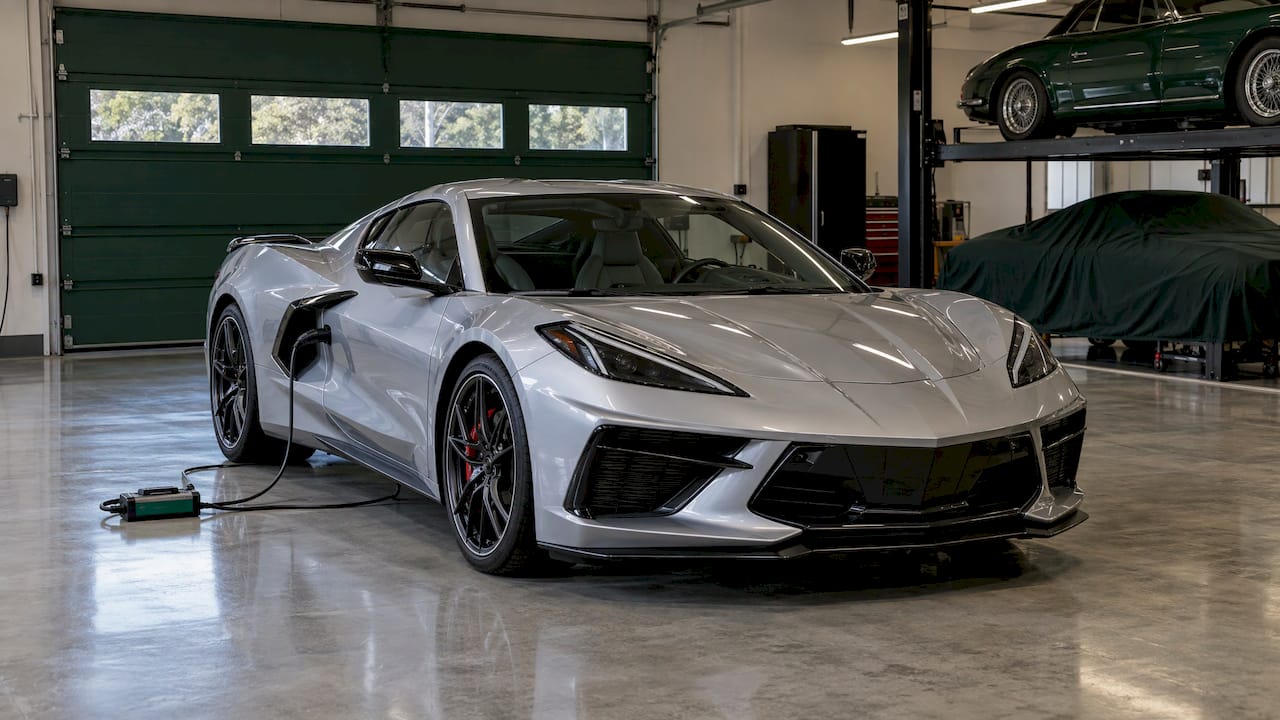
The next layer is preservation. A battery tender connection prevents avoidable no-start surprises and reduces the chance of a deeply discharged battery. Tire-pressure checks and occasional movement can help reduce flat spotting during longer stays. Fluid checks can identify leaks or changes before they become a mess on the floor or a problem at pickup. For certain cars, an approved exercise drive may be appropriate, though it should never be automatic. The right approach depends on the vehicle, insurance requirements, mileage preferences, and the owner’s instructions.
Finally, there is accountability. Photo check-ins, dated inspection reports, and clear notes on battery-tender status turn a promise of care into something you can review. You should be able to check on your car without driving over, especially if the facility is across town or across the country.
When Climate Storage Is Usually Worth the Premium
Climate storage is easiest to justify when the consequences of neglect are higher than the monthly price difference. That often applies to concours cars, low-mileage exotics, vintage vehicles with original interiors, collectible SUVs and trucks, and cars held for a future sale or auction.
It can also make sense for owners in dense metro areas. A collector in Boston, Los Angeles, San Francisco, Atlanta, or Miami may have a valuable car but no private garage with adequate space, security, or environmental control. In those cases, specialized storage can replace an inconvenient compromise: a shared condo garage, a basic warehouse bay, or a residential driveway covered by a car cover.
Consider climate storage if any of these situations sound familiar:
- Your vehicle will be parked for more than a few weeks without regular use.
- Your home garage gets damp, overheated, dusty, or subject to frequent temperature swings.
- The car has original upholstery, wood trim, rubber seals, magnesium components, or older electrical systems.
- You need discreet, controlled access and do not want the car exposed during pickup or delivery.
- You want condition documentation before a show, sale, service appointment, or transport.
For a high-value car, the calculation is rarely just about preventing catastrophic damage. It is about avoiding dozens of small declines in presentation and reliability: a weak battery, surface corrosion, stale fuel concerns, a damp interior smell, dusty paint, or a tire issue discovered on the morning of an event.
When a Standard Garage May Be Enough
Climate storage is not automatically the best answer. If you have a clean, enclosed, dry garage with stable temperatures, reliable power for a tender, and enough room to inspect and move around the vehicle, you may already have an excellent storage setup.
It may also be unnecessary for a car that is driven frequently and maintained on schedule. A modern vehicle used every weekend is less exposed to the risks of long-term inactivity than one parked from October through April. In that case, paying for specialized storage may offer convenience and security more than preservation.
Be realistic about your own routine. A home setup only works if you actually maintain it. If tender connections are inconsistent, the garage is full of household traffic, and seasonal checks get postponed, off-site care may be the more reliable option even if your garage is technically adequate.
How to Compare Climate-Controlled Facilities
Do not compare facilities by monthly rate alone. A lower price can be reasonable if you only need a secure indoor space. But if you expect preservation-focused care, ask what is included and what is available on request.
Start with the environment. Confirm that the storage area itself is temperature controlled and ask how humidity is addressed. Then ask about security: controlled entry, cameras, alarm systems, staff presence, and how vehicle access is authorized. For many owners, discreet handling matters as much as physical security.
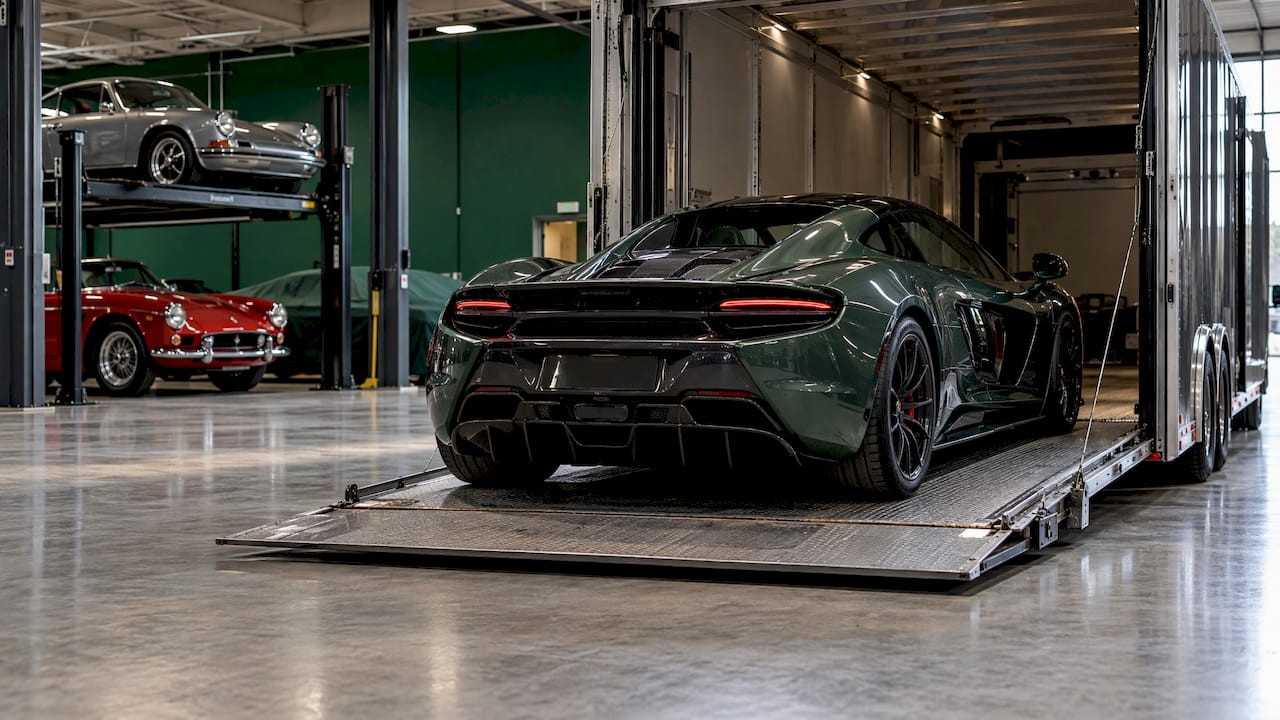
Next, examine the operating process. Who receives the vehicle? Is intake condition documented with photos? Are key custody and movement procedures clear? Can the facility provide inspection reports, battery status, tire-pressure checks, wash or detailing coordination, and pickup preparation? If the car needs to leave, can the team coordinate enclosed vehicle transport rather than asking you to solve logistics on your own?
Access deserves special attention. Some facilities offer appointment-only access, while others provide broader owner access. Neither model is universally better. Appointment access can improve control and security; flexible access may matter if you use your car often. Choose the setup that fits your actual driving pattern.
Also ask what happens before delivery. “Ready on arrival” should mean more than rolling the car to the door. It may include removing the tender, checking fluids and tire pressures, arranging a wash, verifying no warning lights are present, and positioning the car for a clean handoff. Get those details in writing.
The Cost Test: Preservation, Convenience, and Confidence
To decide whether the premium is justified, compare the storage cost with the risks and friction it removes. Think beyond repair bills. Your time has value, especially if your car is stored far from home, you travel frequently, or you need it prepared for a show, track day, buyer visit, or seasonal return.
A basic indoor unit may cost less, but it can leave you responsible for all oversight. You may need to visit to connect a tender, check for leaks, arrange a detail, coordinate a transporter, and confirm the car is ready. Specialized climate storage costs more because someone is managing those details on your behalf.
That premium is worthwhile when it gives you evidence, not just reassurance. A facility that sends photos, records inspection findings, communicates clearly, and follows your approved instructions helps you maintain control without needing to be physically present.
For owners comparing options by city or ZIP code, NapGarage can make that process more practical by helping you evaluate climate conditions, access, care services, pricing, and transport support in one place.
Choose Care That Matches the Car
A collector car does not need identical treatment every month of the year. It needs a storage plan that reflects its age, materials, condition, use schedule, and your expectations at pickup. Define the climate requirements, decide what services require prior approval, and make sure the people caring for your car can document what they do.
The best storage arrangement should make the car easier to enjoy. When it is time for a drive, show, sale, or enclosed transport pickup, you should not be wondering what happened while it sat. You should know.