Vehicle Storage Inspection Checklist for Collectors
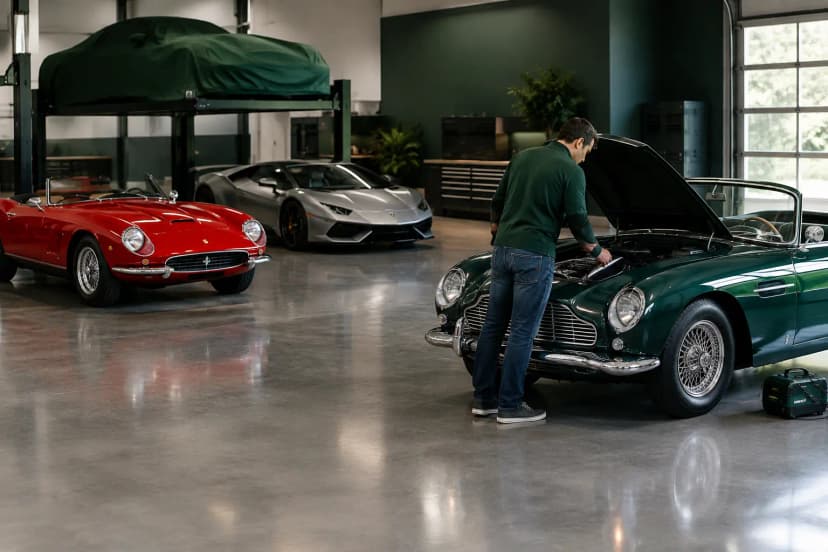
A collector car can look perfect at drop-off and still develop preventable issues during storage. A weak battery tender connection, a slowly deflating tire, a moisture concern, or a missed fluid leak can turn a simple pickup into a frustrating service appointment. A disciplined vehicle storage inspection checklist gives you a clear record of the car’s condition and confirms that the people caring for your car are watching the details that protect value.
For exotic, classic, and collector vehicles, storage inspection is not a box to check once. It is an operating routine: document the vehicle on arrival, verify its environment, inspect it on a defined schedule, and communicate exceptions before they become expensive surprises.
Why Storage Inspections Matter for Collector Cars
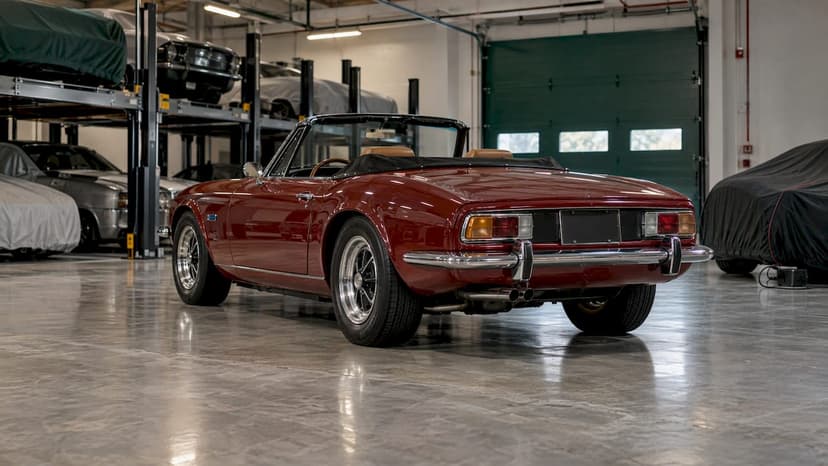
High-value vehicles do not all have the same storage needs. A late-model Ferrari with an AGM battery and modern tire-pressure monitoring system needs a different approach than a carbureted 1960s convertible or an air-cooled Porsche. But every vehicle benefits from documented baseline condition and consistent oversight.
Without an intake record, it can be difficult to separate pre-existing paint marks from a new issue. Without battery status checks, a tender can appear connected while failing to maintain charge. Without periodic walk-arounds, a small coolant seep, rodent concern, or tire-pressure change may go unnoticed for months.
Inspection reports also create confidence when you are not nearby. Instead of driving to the facility just to confirm that your car is settled, you can review current photos, readings, and notes. That matters when the car is being stored between concours events, seasonal drives, track weekends, or a future sale.
Vehicle Storage Inspection Checklist at Intake
The intake inspection should happen before the vehicle is positioned in its long-term space. It establishes a shared record between the owner and facility team, including the vehicle’s starting mileage, fuel level, condition, accessories, and special instructions.
Record the Vehicle’s Baseline Condition
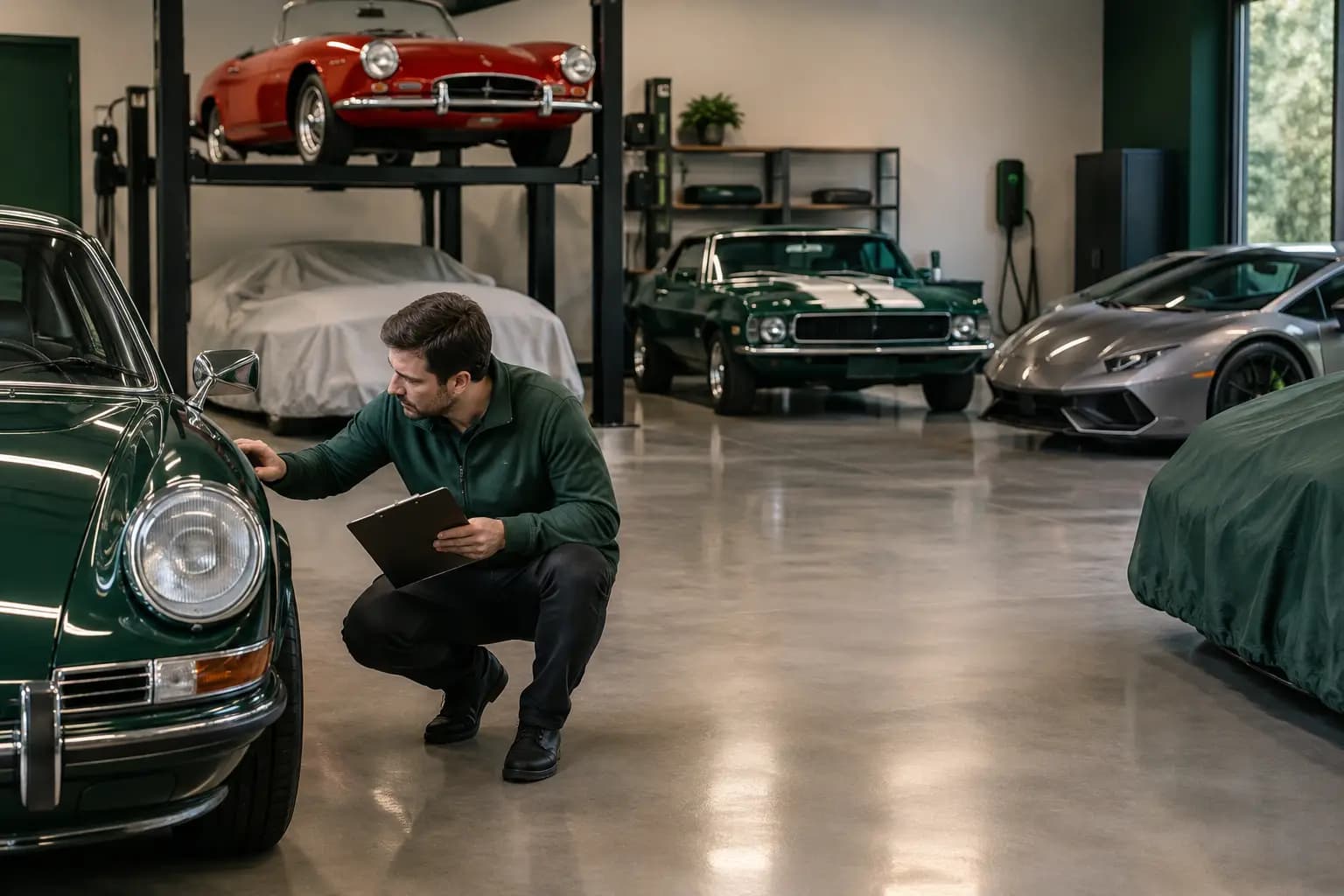
Start with clear, date-stamped photos in consistent lighting. Photograph all four corners, each wheel, the windshield, roof or convertible top, lower body panels, front splitter, rear diffuser, and any areas with existing wear. For a vehicle with paint-protection film, matte paint, chrome trim, carbon fiber, or polished wheels, note the finish type so cleaning and handling decisions are appropriate.
The written condition report should identify existing chips, scratches, curb marks, cracks, stains, or dents. Be specific about location. “Small chip on front bumper” is less useful than “three-millimeter paint chip on the passenger-side lower front bumper, two inches below headlamp.” Precision avoids uncertainty later.
Record the odometer reading and, where relevant, engine hours. Confirm the VIN, license plate, key count, key-fob condition, and any immobilizer or alarm instructions. If the car has a removable battery disconnect, aftermarket tracker, trickle charger adapter, or unusual starting procedure, document it before staff need to move the vehicle.
Verify Mechanical Readiness
A practical intake check focuses on the items most likely to create problems during storage:
- Confirm fuel level and whether a fuel stabilizer is required for the planned storage period.
- Check engine oil, coolant, brake fluid, and other applicable fluid levels for obvious concerns.
- Note visible leaks, dampness beneath the vehicle, or residue around hoses, seals, and fittings.
- Record tire pressures and inspect tires for existing damage, uneven wear, or signs of a slow leak.
- Confirm battery state and connect the correct battery tender or maintainer according to the manufacturer’s guidance.
- Verify that the parking brake, transmission position, steering lock, and wheel chocks are set according to the vehicle’s storage plan.
There is no universal answer on whether to start a stored car regularly. Short idling sessions can introduce moisture and may not bring the oil, exhaust, transmission, and battery to proper operating temperature. For many collector vehicles, a fully planned exercise drive is better than occasional starts. Follow the owner’s instructions, the manufacturer’s recommendations, and the facility’s documented exercise-drive procedure.
Protect the Cabin and Contents
Remove valuables, personal documents, toll tags, garage remotes, and loose accessories unless they are required for service. Confirm that windows, sunroof, convertible top, frunk, trunk, and fuel door are fully closed. Check the cabin for food, moisture, or materials that could attract pests or create odor over time.
If the vehicle is stored under a cover, use a clean, breathable cover suited to the paint finish. A dirty or poorly fitted cover can create its own damage. The same caution applies to car covers used after a wash: the vehicle should be completely dry before covering.
Monitor the Storage Environment, Not Just the Car
A clean floor and a locked door are only part of preservation-focused storage. The room itself should be monitored for conditions that affect paint, leather, rubber, electronics, and metal components.
Climate-controlled storage should provide a stable environment rather than dramatic temperature swings. Humidity management is particularly valuable in coastal markets, humid summers, and facilities where outside air enters frequently. Exact targets depend on the vehicle, building, and local climate, but the goal is consistent conditions that reduce condensation risk.
During each inspection, staff should note the temperature and humidity reading, verify that the vehicle’s space is dry and clear, and check for ceiling leaks, standing water, pest activity, or construction dust. If a facility uses a space-saving lift system or stacked parking arrangement, the report should also confirm that there is no overhead drip risk and that the vehicle can be retrieved safely.
Set a Sensible Inspection Schedule
The right cadence depends on the vehicle and how long it will remain in storage. A car awaiting enclosed transport or a short-term stay may only need a careful intake and pre-release inspection. A vehicle stored through an entire winter or summer season needs recurring checks.
For most collector cars in climate-controlled storage, a monthly visual inspection is a practical baseline. That inspection should include battery-tender status, tire condition, fluid or leak observation, exterior dust or moisture concerns, security of doors and closures, and current facility climate readings. Photos should accompany any exception, not just serious damage. A photo of a minor new drip can help an owner and technician decide whether immediate service is necessary.
Quarterly reviews can go deeper, especially for cars with known age-related needs. This is a good time to reassess tire pressure, verify the maintainer is performing correctly, inspect underneath the vehicle, and review whether the storage plan still fits the owner’s next intended use.
A vehicle scheduled for an exercise drive, detailing appointment, transport pickup, or event delivery should receive a pre-service inspection. The car should not simply be pulled from its space and handed off. Confirm tire pressures, battery readiness, visible fluid condition, warning lights after startup, and exterior condition before it leaves the facility.
Define What Requires an Immediate Owner Notification
The best inspection program does not burden an owner with routine messages. It does make escalation rules clear. A disconnected tender, a warning light, a new fluid leak, tire-pressure loss, water intrusion, pest evidence, body damage, or a climate-control failure should prompt timely communication with photos and a recommended next step.
For less urgent findings, such as moderate dust accumulation or a scheduled maintenance interval approaching, a facility can include the note in the next check-in. The key is to distinguish observation from diagnosis. Staff can report that a coolant drip appeared beneath the front of the car; a qualified technician should determine its source and repair scope.
Owners should also establish approval limits in advance. For example, you may authorize a facility to reconnect a tender, add air to a tire, or arrange a wash without a separate approval, while requiring approval for diagnostic work, parts, towing, or transport. Clear limits prevent delays while preserving owner control.
Make Inspection Reports Useful From Anywhere
An inspection report should answer the questions you would ask if you were standing next to the car: Is it clean and secure? Is the battery being maintained? Are the tires holding pressure? Is anything leaking? Has the environment remained stable? Is the car ready for its next planned use?
The strongest reports combine concise notes with current photos and timestamped readings. They also preserve history. If a tire has required air three months in a row, or if a minor oil seep has slowly increased, the trend matters more than any one inspection.
When comparing specialty storage options, ask to see how inspections are documented, how often they occur, and who receives the report. NapGarage helps owners evaluate facilities on the care services that often determine whether storage is simply parking or an active preservation plan.
Your car should be ready when the next opportunity arrives, whether that is a Sunday morning drive, a concours lawn, a buyer inspection, or an enclosed pickup. Choose a storage routine that gives you more than a parking location: it should give you a clear, current view of the vehicle waiting for you.