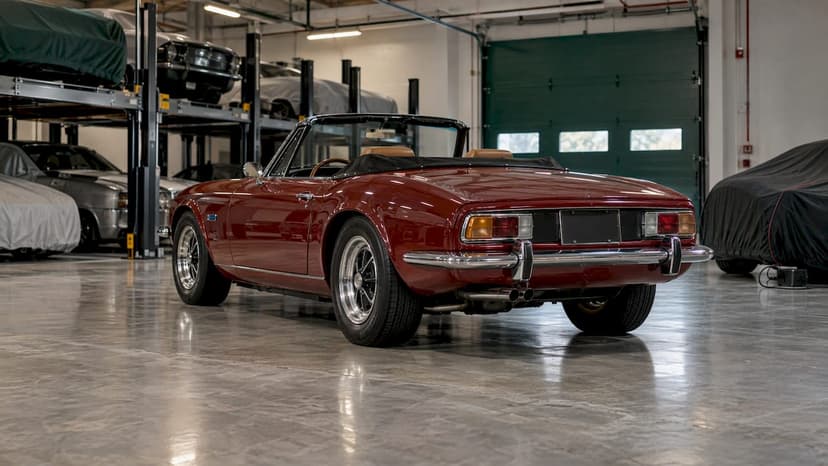
How Often Should Stored Cars Be Driven Safely?

A collector car can look perfectly settled under its cover while its battery slowly drains, its tires take a set, and moisture accumulates in places you cannot see. Driving is part of active storage care, but it is not automatically the answer to every storage concern. How often should stored cars be driven? For many properly prepared vehicles, a meaningful exercise drive every two to four weeks is a sensible starting point. The right interval, however, depends on the car, the facility, the weather, and whether the drive can be done correctly.
A brief trip around the block is usually worse than no trip at all. If a car is started, it should be driven long enough to bring the engine oil, coolant, transmission, differential, brakes, and exhaust system fully up to operating temperature. That takes time, road speed, and dry conditions - not ten minutes of idling in a storage bay.
How Often Should Stored Cars Be Driven?
For a regularly stored modern exotic or collector car, plan for a proper drive about every two to four weeks if the vehicle is available, insured, and the facility can provide trained, authorized exercise-drive service. A 20- to 30-minute drive may be enough for some cars, but the objective is temperature and circulation, not a stopwatch. In cool weather, heavy traffic, or with a large-displacement engine, it can take longer to fully warm the fluids.
Monthly driving is often appropriate for a well-prepared classic that is stored indoors with a maintained battery, stabilized fuel, correct tire pressures, and controlled humidity. Some vehicles can sit longer without being driven. A late-model car on a quality battery tender in a climate-controlled environment may not need a weekly outing. Conversely, an older carbureted car, a vehicle with a marginal charging system, or a car stored in humid seasonal conditions may benefit from closer monitoring and a more deliberate exercise schedule.
The calendar is only one input. The better question is whether the car is being actively preserved between drives. A vehicle that receives documented battery-tender checks, fluid inspections, tire-pressure checks, and climate monitoring may be in better condition after three months than a car started every Saturday and never driven beyond the parking lot.
A Proper Exercise Drive Does More Than Start the Engine
A complete drive circulates oil and fuel, recharges the battery through the alternator, moves lubricants through seals and bearings, and gives the brakes an opportunity to operate normally. It also lets the person caring for the car identify a new vibration, warning light, fluid odor, brake pull, or transmission concern before it becomes a larger repair.
For collector cars, the inspection before and after the drive matters just as much. The car should be checked for new leaks, low tire pressure, rodent activity, warning messages, and changes in battery-tender status. After returning, it should be parked clean and dry, with the tender reconnected and the condition recorded.
A useful exercise-drive report should note the date, mileage, route duration, ambient conditions, battery condition, fuel level, operating temperature, and any observations. Photos are helpful when documenting a vehicle before a show, sale, transport, or extended storage period. This is the difference between simply knowing that someone moved your car and knowing how it presented that day.
When Driving Can Cause More Harm Than Good
Starting a stored car and letting it idle is a common but poor storage habit. The engine may not get hot enough to evaporate condensation from the crankcase and exhaust. The battery may lose more energy during starting than the alternator replaces at idle. In a confined indoor space, there is also the practical issue of exhaust fumes and carbon monoxide.
Short drives create a similar problem. If the car does not reach full operating temperature, combustion moisture and fuel dilution can remain in the oil. The exhaust system may retain condensation, particularly during cold or damp weather. A single short start is not a catastrophe, but repeating that pattern all winter is not a preservation plan.
There are times when the right call is to leave the vehicle parked. Salted roads, heavy rain, construction debris, wildfire smoke, extreme heat, and low-temperature conditions can turn an exercise drive into unnecessary exposure. A concours-quality car with fresh detailing or an original, low-mileage example may have an owner-approved no-drive policy except for service, transport, or a specific event.
Manual-transmission cars, older tires, race-prepared vehicles, and cars with limited ground clearance can require special handling as well. The facility should know the car's starting procedure, warm-up expectations, fuel requirements, lift points, alarm settings, and any restrictions before anyone takes the wheel.
Storage Setup Changes the Driving Schedule
The more complete the storage preparation, the less you need to rely on frequent driving as a substitute for care. Climate control should keep temperature swings and humidity within a stable, vehicle-appropriate range. A battery tender should be inspected rather than assumed to be working. Tires should be inflated to the owner's or manufacturer's preferred storage pressure, and long-stay vehicles may need periodic repositioning or appropriate tire support.
Fuel strategy varies by vehicle and storage duration. Many owners prefer a full tank with the correct fuel stabilizer for seasonal storage, while others follow the manufacturer's specific guidance for modern fuel systems. The key is to avoid treating every car the same. A fuel-injected 2024 exotic, a carbureted 1960s convertible, and a track-focused car with specialty fuel can have very different requirements.
Oil condition also matters. If a vehicle is going into extended storage with old, contaminated oil, changing it before storage is often wiser than trying to solve the issue with frequent starts. Brake fluid age, coolant protection, and the condition of rubber hoses and seals deserve the same attention. Exercise drives support a good storage plan; they do not replace maintenance.
Set an Exercise-Drive Policy Before You Store
Before handing over keys, decide what driving authority the facility has. Some owners want no one to drive the vehicle without direct approval. Others want a scheduled monthly exercise drive with a mileage cap and a route chosen to avoid highway debris, valet-style handling, and unnecessary stops. Both approaches are reasonable when they are documented.
Your policy should specify who may drive the car, the intended frequency, minimum and maximum drive duration, fuel grade, mileage limit, weather restrictions, and whether a second staff member is required for high-value vehicles. It should also cover what happens if a warning light appears or the vehicle does not start. Clear rules protect the car and remove guesswork for the people caring for it.
For a vehicle stored far from home, remote oversight is especially valuable. Request photo check-ins that show the exterior condition, odometer, battery-tender indicator, tire condition, and any inspection findings. If an exercise drive is approved, ask for a simple report rather than relying on a verbal assurance. You should be able to check on your car without driving over, while still knowing whether it is ready on arrival.
A Practical Schedule for Different Storage Situations
A climate-controlled facility with a tender, stable humidity, and regular inspections can support a conservative schedule: inspect monthly and exercise the vehicle every two to four weeks when conditions allow. For a car stored only through a short winter season, a monthly drive may be sufficient if each outing is long enough to be meaningful.
For longer-term storage of six months or more, the strategy should become more individualized. Some owners choose scheduled exercise drives. Others prepare the car for true non-operation, use appropriate tire and battery measures, and arrange inspections without starting it. The manufacturer's guidance, the vehicle's mechanical condition, and the facility's capabilities should determine which approach is safer.
A collector car deserves more than a calendar reminder and a quick key turn. Whether your car is driven twice a month, once a month, or not at all during a defined preservation period, the best plan is one that pairs the right schedule with documented inspections, controlled storage conditions, and people who understand what is at stake when they care for it.