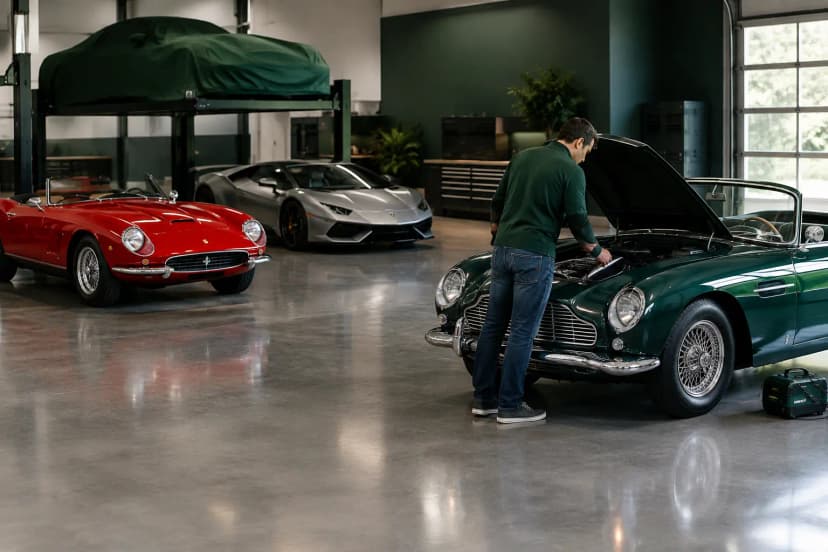
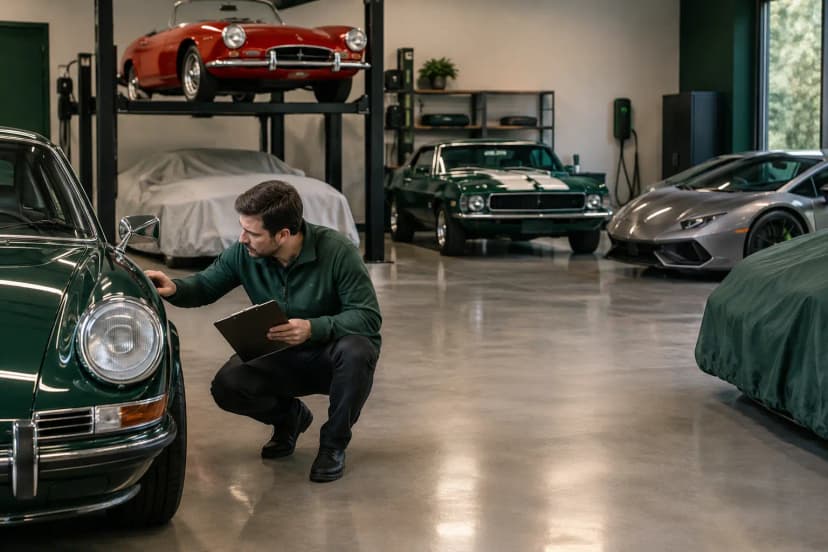
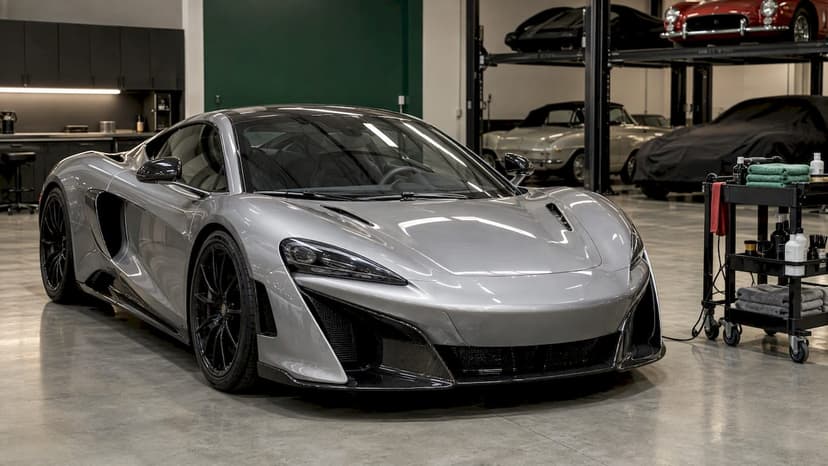
Winter Car Storage: How to Prep and Where to Store
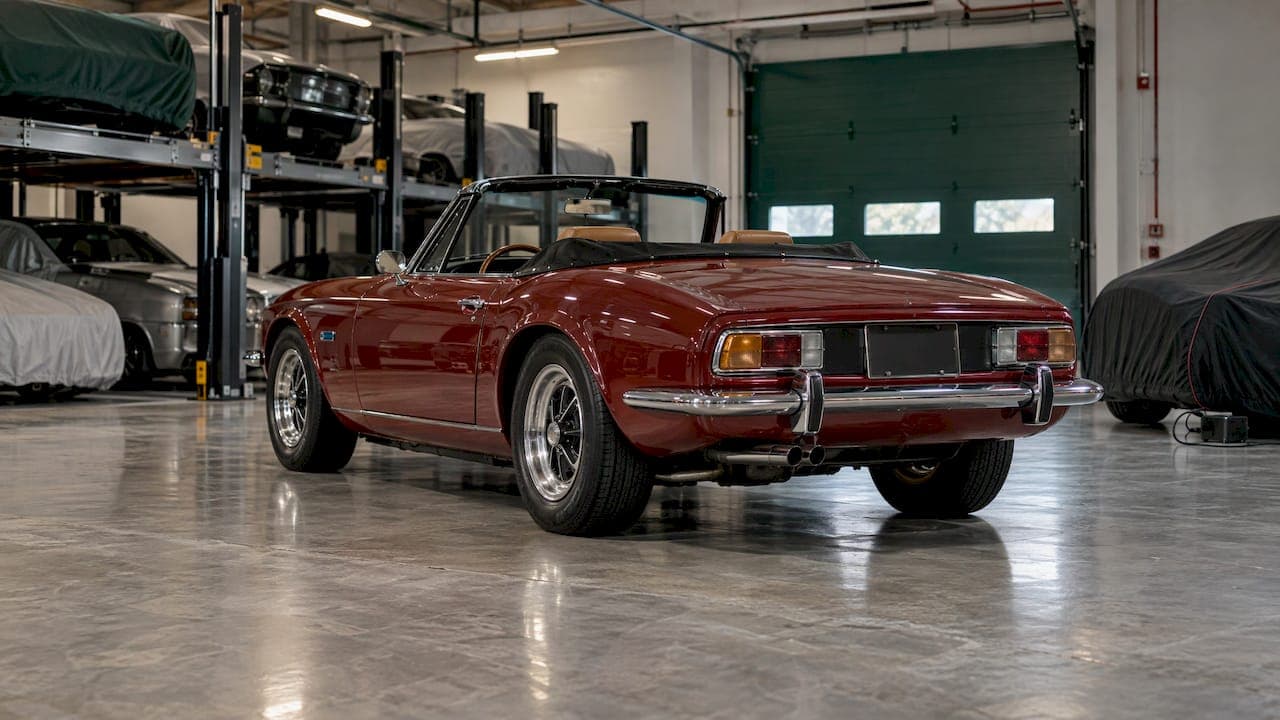
The best winter car storage for a classic, exotic or collector car is a clean, dry, climate-stable indoor space with the battery kept charged and someone checking on the car while you are away. Prepare the car in three steps: service it, detail it, then store it where temperature and humidity stay steady. For a car that matters to you, the facility is half the result, because a prepared car still suffers in a damp or unmonitored building.
NapGarageCare for Your Car in StorageNapGarage offers climate-controlled storage for classic, exotic, and collector cars, with inspection reports and photo check-ins sent to your phone.VisitKey Takeaways
- Indoor, climate-controlled storage at 50 to 70°F and 40 to 60% relative humidity is the standard for collector cars, and professional storage typically runs $100 to $500 per month depending on quality and location.
- Prep comes down to a service (oil, fluids, battery, tires), a thorough detail, and a stable storage setup with a battery maintainer and a breathable cover.
- A car left unused can suffer a dead battery, old oil, tired brake fluid, dried seals and flat-spotted tires within a season.
- The facility you pick should offer controlled access, outlets for maintainers, clear written terms and regular condition reports so you are not guessing about your car.
- With NapGarage, you can find exotic and classic car storage with inspection reports and photo check-ins sent to your phone.
Table of Contents
- What actually happens to a car that sits all winter
- How to prepare a collector car for winter storage
- Should you start the car during storage?
- Indoor, outdoor and climate-controlled: what each really protects
- What winter storage costs
- How to choose a facility you can trust
- Knowing how your car is doing while it is away
- Promo: find winter storage for your car
- Our perspective
- FAQ
- Sources
What actually happens to a car that sits all winter
A car does not rest while it sits. Modern cars are never truly off: computers and security systems keep drawing power, and the battery can drain in a few weeks. Oil contaminants settle and the oil turns sludgy, so a full oil change is advisable after six months or more of storage.
The same AAA-published guidance lists the quieter problems:
- Brake fluid absorbs water over time. That water can turn the fluid acidic and corrode brake lines, and spongy braking is the warning sign.
- Rubber seals and gaskets dry out and shrink when the car is not driven, so engine pressure on restart can blow them out.
- Tires left under full weight for six months to a year can chemically change and fail to return to a round shape.
Consumer Reports adds rusted brakes and insect or rodent infestation to the list. None of this is dramatic in a month. Across a four or five month winter on a car worth real money, it adds up, which is why prep and the storage environment matter more than the cover you buy.
How to prepare a collector car for winter storage
Think of prep as three jobs: service, detail, store. Do them in that order, and do them close to the day the car goes in.
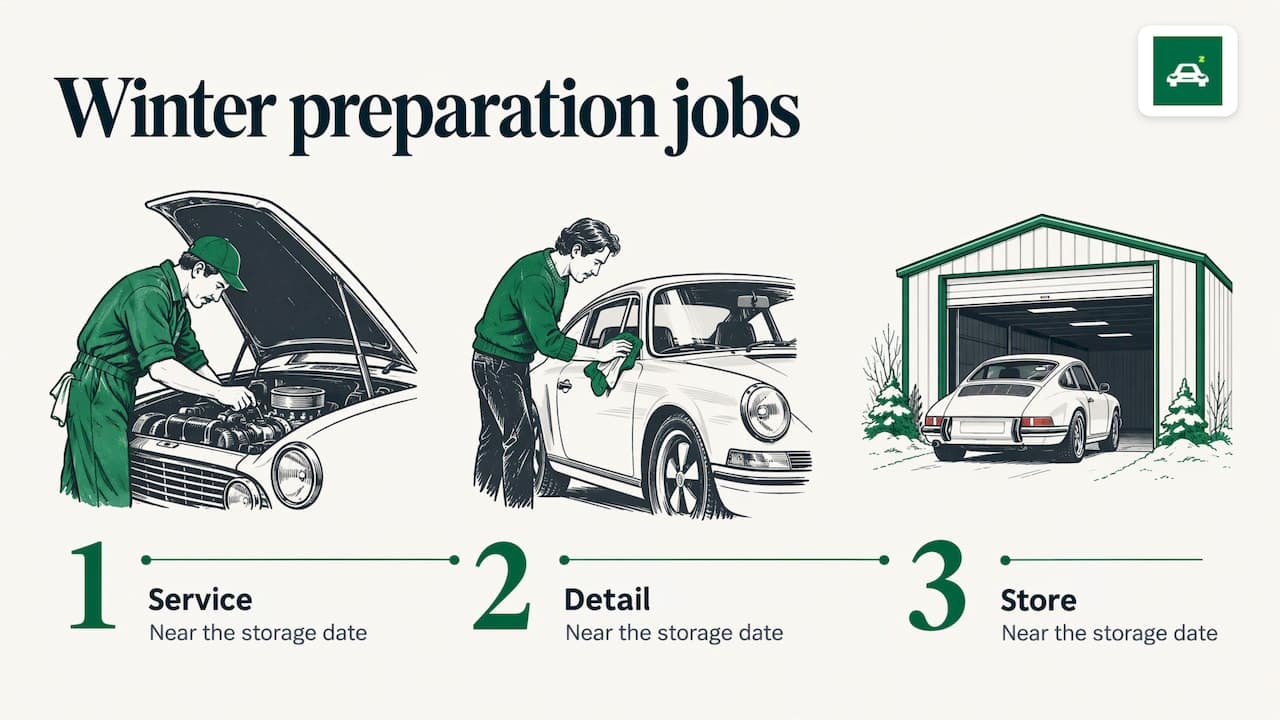
Step 1: Service the car
Start with what sits inside the engine and the fluid systems.
- Oil and filter. Many owners change the oil before storage so used oil, with its contaminants, does not sit in the engine all winter. Insurers and classic-car specialists such as The Hartford advise changing it before storing a car for a month or more.
- Fuel. A full tank leaves less air space where condensation can form. Modern Car Collector advises adding stabilizer and then running the engine several minutes so treated fuel reaches the carburetor or injectors. American Collectors suggests ethanol-free gasoline or stabilizer.
- Brake fluid and other hygroscopic fluids. Flushing fluids that absorb moisture before storage keeps water from sitting in the lines all winter.
- Coolant. Hagerty includes checking antifreeze in its winterization steps.
- Tires. Inflate to the maximum safe pressure. For storage of half a year or longer, Hagerty also mentions jack stands.
Step 2: Detail it properly
Storing a dirty car is a common collector mistake. Bird droppings, tree sap, road film and water spots can etch clearcoat, and a cover pulled over grit acts like fine sandpaper. A good pre-storage detail covers:
- Hand wash and decontamination, then thorough drying.
- Wax, sealant or ceramic detailer on the paint.
- Vacuuming and cleaning the cabin, and removing every crumb of food that attracts rodents.
- Conditioning leather and treating rubber seals.
- Washing the undercarriage. Road salt, grime and trapped moisture are the primary cause of undercarriage rust in stored vehicles.
Step 3: Set up the storage space
- Battery. For a stay longer than a week, disconnecting the negative terminal helps. For a full winter, a battery maintainer is the better answer. The Hartford puts a basic trickle charger at roughly $40, and Progressive says a proper battery tender, dehumidifier and desiccants are safer preservation tools than a plain trickle charger.
- Cover. Use a breathable, well-fitted cover. Plastic tarps trap moisture against paint, and a soft cotton cover is the indoor choice.
- Parking brake. For long storage, use wheel chocks instead of an engaged parking brake, and check the owner’s manual if the car has an electronic one.
- Pests. Block entry points such as the exhaust tip and air inlet. Hagerty suggests covering the exhaust pipe and air inlet and using baking soda to pull moisture.
- Insurance. Keep coverage in place while the car is stored so there is no gap if something happens.
If the car is a hybrid or EV, follow the maker’s guidance. Ford’s owner’s manual says for hybrids stored more than 30 days, the high-voltage battery should sit at about 50% state of charge and the 12V battery should be disconnected.
It is a lot to do correctly, and it is where most of the effort in winter storage goes. At the facilities listed through NapGarage, battery maintenance, detailing and fluid checks are part of the care described for stored cars, so the list above becomes much shorter for the owner.
Should you start the car during storage?
This is the question where good sources disagree, and the right answer depends on the car.
Ford’s owner’s manual for storage of 30 days or more says to start the engine every 15 days for a minimum of 15 minutes at fast idle until it reaches normal operating temperature, and to move the vehicle at least 25 feet every 15 days. American Collectors says that for most classics from the 1950s and newer, running the car periodically keeps seals lubricated and fluids circulating: bring it to operating temperature, cycle the HVAC and move it slightly. For delicate or race-prepped classics, frequent cold starts can do more harm, and those cars should generally stay sealed until spring.
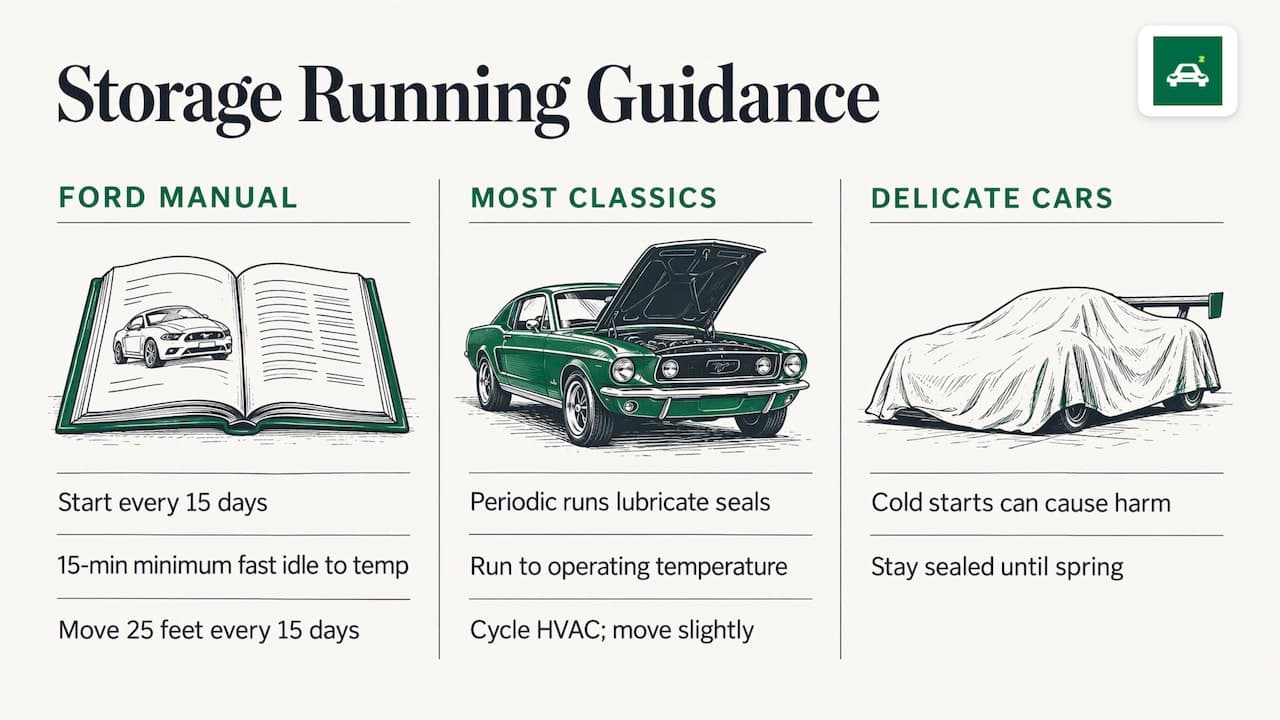
The takeaway: follow the manufacturer’s guidance for your car, and treat a start as a real run to temperature, never a quick crank. A short idle in a cold garage is the worst of both options. That is why exercise drives matter for cars that suit them. NapGarage describes exercise drives as part of the care available for stored cars, so the car gets properly moved without you driving to the facility in January.
Indoor, outdoor and climate-controlled: what each really protects
| Storage type | What it protects | What it does not |
|---|---|---|
| Climate-controlled indoor | Original paint, leather, wood trim and older wiring; steady temperature and humidity | Nothing you need to worry about if the facility keeps its equipment running |
| Unheated indoor | Snow, sun and theft, with a breathable cover and battery maintainer | Temperature swings and condensation |
| Covered outdoor | Snow load | Moisture and rodents |
| Open outdoor | Little | Last resort for a car you care about |
This ranking follows RPM’s winter storage guidance for classics. Modern Car Collector calls climate control the gold standard, at 50 to 70°F and 40 to 60% relative humidity. That range limits condensation and keeps rubber from drying and cracking.
Even a garage is not automatically safe. State Farm warns that moisture can get into garages and cause rust on the body, frame and brakes. Humidity is the number most owners never measure, and we cover why in our guide to the best humidity level for car storage.
What winter storage costs
Professional storage typically runs $100 to $500 per month, depending on the quality of the facility and the location. Several things move the number:
- Climate control. Conditioned space costs more than an unheated bay, and it is what protects paint, leather and rubber.
- Vehicle size. Longer cars need bigger stalls, and a wide, long exotic or a car with a trailer-length wheelbase may need a larger one.
- Access. Cars you want to visit often, or take out for events, shift the price and the terms.
- Services. Inspections, battery care, exercise drives and detailing change what you get for the monthly fee.
- Location. Metro areas such as Los Angeles or Miami cost more than smaller markets.
It is worth looking at the sum against what a neglected car costs. A car stored dirty, with contaminated fuel, low tires or a discharged battery comes out worse than a properly prepared one. NapGarage does not publish storage prices because each facility sets its own, and you receive facility quotes after you request them.
How to choose a facility you can trust
For an exotic or collector car, the building matters as much as the prep. RPM’s guidance gives a useful checklist of things to look for and ask about:
- Cameras, alarms, controlled access and on-site staff.
- Power outlets at each space for battery maintainers.
- Clear rules on visits, checks and release. The car should leave only with you or a carrier you name in writing.
- Room for an enclosed trailer if you move the car that way.
- Written terms on what “climate control” means and what happens if the equipment stops.
- Access hours and any extra cost for trips, who may drive the car, minimum term, deposit, renewal and notice, late fees, required insurance and the facility’s damage cap.
- Exact stall dimensions.
That list is why a specialist marketplace helps. NapGarage lists exotic and classic car storage by city, with facilities that serve enthusiast cars, rather than a general parking lot. You can browse all exotic and classic car storage or go straight to your area, such as Los Angeles, Orange County, Miami, Atlanta, Stuart or Sterling.
For a wider look at budgeting and choosing, our classic car storage guide walks through the decision from start to finish.
Knowing how your car is doing while it is away
The worst part of winter storage for many owners is not knowing. A car in a building across the state can feel like a black box for four months. Updates change that:
- Inspection reports record the condition of the car at checks.
- Photo check-ins show it on your phone, so you see the car without making the drive.
- App requests let you ask for a pickup or details without a phone call.
These are the features NapGarage is built around, and they suit the reader who wants to keep up with a car without visiting the facility. If you want the car for a spring event, you request it through the app and it is ready.
Promo: find winter storage for your car
If you are looking for climate-controlled winter storage for an exotic, classic or collector car, NapGarage lets you compare specialty facilities, with battery maintenance, detailing, fluid checks, exercise drives, inspection reports, photo check-ins and enclosed transport among the services described for stored cars. You can request a quote from the storage page and manage your car from the mobile app once it is in.

Start with the city nearest you on the storage by city page. The earlier you ask, the more choice you have, since enthusiast-grade space fills as the first cold weather arrives.
Our perspective
Most winter damage is not dramatic. It is moisture sitting in brake fluid, a battery slowly draining, a tire carrying the same load for months, and nobody looking. That is why we built NapGarage around enthusiast-grade storage and not general parking.
A cover and a trickle charger are a start. What protects a collector car is a controlled environment and regular attention: battery maintenance, fluid checks, detailing, exercise drives where they suit the car, and inspection reports with photo check-ins you can read from your phone.
We think you should not have to drive to a facility to know your car is fine. Through the app you can see the car, request details and arrange a pickup when spring comes. That is the kind of care we want every collector to find near them.
NapGarage Team
FAQ
What happens if my car sits idle for three months?
The battery can drain, since modern cars keep drawing power for computers and security systems. Oil and brake fluid age, seals can dry, and tires can develop flat spots. Prepping the car and storing it in a stable environment limits all of these.
Is it better to keep a car in the garage or outside for winter?
Indoors, and for a collector car, climate-controlled indoors. Covered outdoor storage keeps snow off but not moisture or rodents, and open outdoor storage is a last resort. Even a home garage can let in damp, so humidity matters as much as the roof.
How much does winter car storage cost?
Professional storage typically runs $100 to $500 per month depending on facility quality and location, according to Modern Car Collector. Climate control, car size, access and included services move the price. Request quotes from facilities near you to see the exact figure.
Should I fill the tank before storing a car for winter?
Yes, a full tank leaves less air space for condensation. Add stabilizer as directed, or use ethanol-free fuel where available, then run the engine a few minutes so the treated fuel circulates.
Do I need to keep insurance on a stored car?
Yes. The Hartford advises keeping coverage in place while a car is stored to protect against unexpected damage and avoid gaps. Talk to your insurance agent about what your policy requires for stored vehicles.
Sources
- How to Care for an Infrequently Driven Vehicle, Via
- How Do You Maintain a Car That Isn’t Driven Much?, Consumer Reports
- How to Store a Collector Car, Modern Car Collector
- Exotic Car Winter Prep, Maserati of Anaheim Hills
- Preparing Your Classic Car for Winter Storage, American Collectors
- A Step-by-Step Guide to Storing Your Car, The Hartford
- How to: Classic Car Winterization and Storage, Hagerty
- Classic Car Storage: Common Pitfalls and Risks, State Farm
- Classic Car Storage Tips, Progressive
- Storing Your Vehicle, Ford owner manual
- How to Store a Classic Car for Winter, RPM