How to Choose Collector Car Storage With Confidence

A collector car can lose condition while sitting perfectly still. A weak battery tender, a humid corner of a warehouse, a missed fluid leak, or an awkward retrieval process can turn off-season storage into an expensive surprise. Knowing how to choose collector car storage means looking beyond a monthly rate and asking how the facility protects, monitors, and returns your car.
For a late-model exotic, a prewar classic, a concours car, or a track-focused vehicle, the right arrangement depends on the vehicle, how long it will stay, and how often you expect to use it. The goal is not simply to find an available space. It is to place your car with people and systems that keep it preserved, documented, and ready when you are.
Start with the car and your ownership plan
Before comparing facilities, define what storage needs to accomplish. A three-month winter stay for a modern 911 is different from long-term care for a carbureted classic, and both differ from storing a Ferrari you want delivered to a rally or track day twice a month.
Consider the car’s age, value, mechanical needs, and sensitivity to temperature and humidity. Older cars may need more frequent checks for fuel odors, seepage, tire pressure, and battery condition. Low-clearance exotics require careful loading and access routes. Vehicles with soft tops, delicate original interiors, magnesium wheels, or older rubber components deserve particular attention to moisture control and handling practices.
Then consider how you plan to use the car. If you want spontaneous access on a Saturday morning, a facility with limited retrieval hours may be a poor fit no matter how attractive the rate is. If the car is being stored for a seasonal absence, restoration interval, or future sale, scheduled inspections and detailed condition reports may matter more than immediate access.
How to choose collector car storage beyond the monthly price
Price is useful only when you know what is included. One facility may quote a lower monthly number for a parking space, while another includes climate management, a battery tender, periodic inspections, wash service, and photos. For a high-value car, the comparison should be based on total care, not square footage alone.
Ask whether the quoted price includes intake documentation, tender connection, tire-pressure checks, and scheduled condition reviews. Find out how service work is approved and billed. Clear pricing for detailing, exercise drives, pickup, enclosed transport, and mechanical coordination prevents unpleasant surprises later.
Also ask about the facility’s capacity and operating rhythm. A well-run collector storage site knows where every car is parked, which cars need attention, when each tender was checked, and whether a service request is open. A crowded building without defined processes can create avoidable risks, even if it looks impressive during a tour.
Climate control should be measurable
“Climate-controlled” can mean very different things. Some facilities heat and cool the building but do not actively manage humidity. Others maintain a stable environment with monitored readings and documented thresholds. For collector vehicles, stable conditions are usually more valuable than aggressive heating or cooling.
Ask what temperature range the facility targets and whether humidity is monitored throughout the building. You do not need a laboratory specification, but you should expect a direct answer. Temperature swings can contribute to condensation, while consistently high humidity can affect leather, wood, electrical connections, brightwork, and undercarriage components.
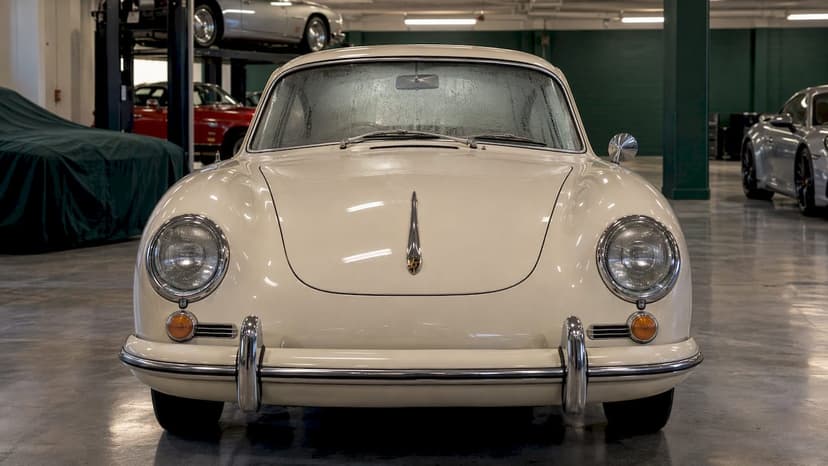
The building itself matters, too. Look for a clean, enclosed space with a sound roof, controlled entry points, and no signs of standing water, mildew, pests, or dust accumulation. If the facility has multiple zones, ask where your car will be stored and whether conditions are consistent in that specific area.
Security should include protection from routine mistakes
Cameras, alarms, gated access, and monitored entry are meaningful, but security is more than preventing a break-in. Collector cars can be damaged through rushed movement, poor parking discipline, unauthorized access, or confusion over keys.
Ask who can enter the storage floor, how vehicles are moved, and where keys are kept. Confirm whether the facility uses designated staff for vehicle movement and whether it documents every transfer. A thoughtful operation will have defined procedures for arrivals, departures, transport handoffs, and after-hours requests.
Insurance is another area to clarify early. The facility’s coverage and your own collector-car policy serve different purposes. Ask what the facility insures, what remains your responsibility, and whether your insurer has requirements for indoor storage, alarms, or transport. Get the answers in writing rather than relying on assumptions made during a tour.
Choose active care, not passive parking
A car that stays in storage still needs attention. The right service schedule depends on the vehicle and the length of stay, but the facility should be able to explain exactly what happens after the door closes.
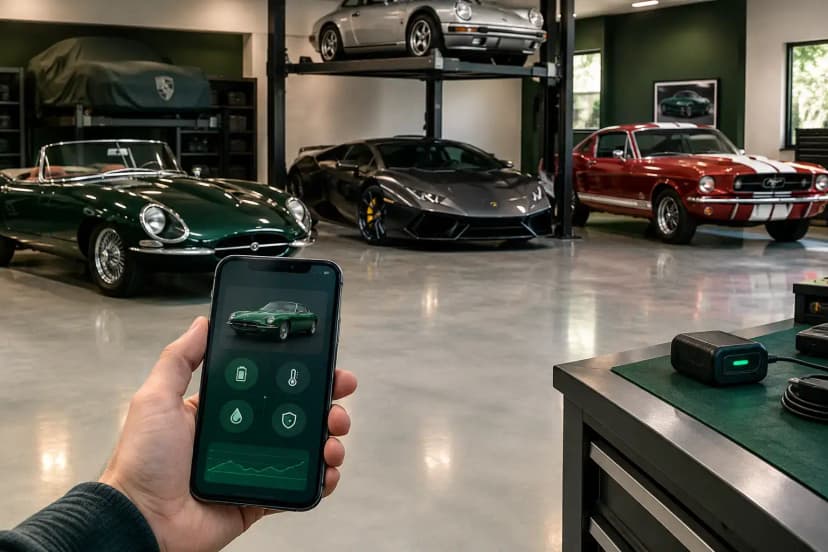
At a minimum, ask how battery tenders are managed and verified, whether tire pressures are checked, and how staff look for fluid leaks or other visible changes. A tender plugged into an outlet is not the same as a confirmed battery-maintenance program. You want to know that the connection, indicator status, and battery condition are reviewed regularly.
Exercise drives require even more nuance. Some cars benefit from periodic operation, while short, incomplete starts can create moisture and do more harm than good. If a facility offers exercise drives, ask about the distance, duration, driver qualifications, insurance, route, and documentation. For certain vehicles, a properly planned drive to full operating temperature may make sense. For others, a tailored storage-preparation plan may be better.
Condition reporting is one of the strongest indicators that a facility treats storage as care. Intake photos should establish the car’s baseline condition, including exterior panels, wheels, interior, mileage, fuel level, and any existing marks. During storage, photo check-ins and concise inspection reports let you check on your car without driving over.
Useful reports do not need to be elaborate. They should tell you what was inspected, when it was inspected, what was found, and whether action is recommended. That record becomes particularly valuable if the car is stored while you travel, prepare for a sale, or coordinate service from another state.
Match access and transport to real life
The best storage facility is not helpful if retrieving the car feels complicated. Ask about regular access hours, notice requirements, weekend availability, and the process for ready-on-arrival pickup. If you need the vehicle brought to the front, washed, fueled, or placed on a tender before departure, understand how much lead time is required.
Transport capability can be equally important. Enclosed vehicle transport is often the right choice for a low-mileage collector car, a non-running classic, or an exotic heading to a show, auction, service appointment, or second home. Ask whether transport is handled in-house or through vetted partners, how loading is documented, and whether the carrier is equipped for low-clearance vehicles.
A facility that can coordinate storage, detailing, service preparation, and enclosed transport reduces handoffs. Fewer handoffs generally mean fewer opportunities for miscommunication and accidental damage.
Tour the operation and ask for proof
A tour should answer practical questions, not just show polished cars under bright lights. Look at aisle width, parking spacing, floor cleanliness, charging setup, camera placement, and how vehicles are protected during movement. Notice whether cars appear to be organized intentionally or packed wherever space is available.
Ask to see an example of an inspection report or photo update with personal information removed. Ask how the team records service approvals and whether you can communicate directly with the people caring for your car. These details reveal whether the facility can provide reliable remote oversight after the sale is complete.
When comparing options, keep notes on the same categories: climate readings, security procedures, care schedule, reports, access, transport, included services, and total cost. A specialized marketplace such as NapGarage can make that comparison easier by helping you review facilities by location, available care services, and operating details before requesting a quote.
The right storage partner should leave you feeling informed rather than persuaded. When you can see how your car will be monitored, who will handle it, and how it will be returned to you, storage becomes what it should be: a quiet, well-documented interval between the drives that matter.