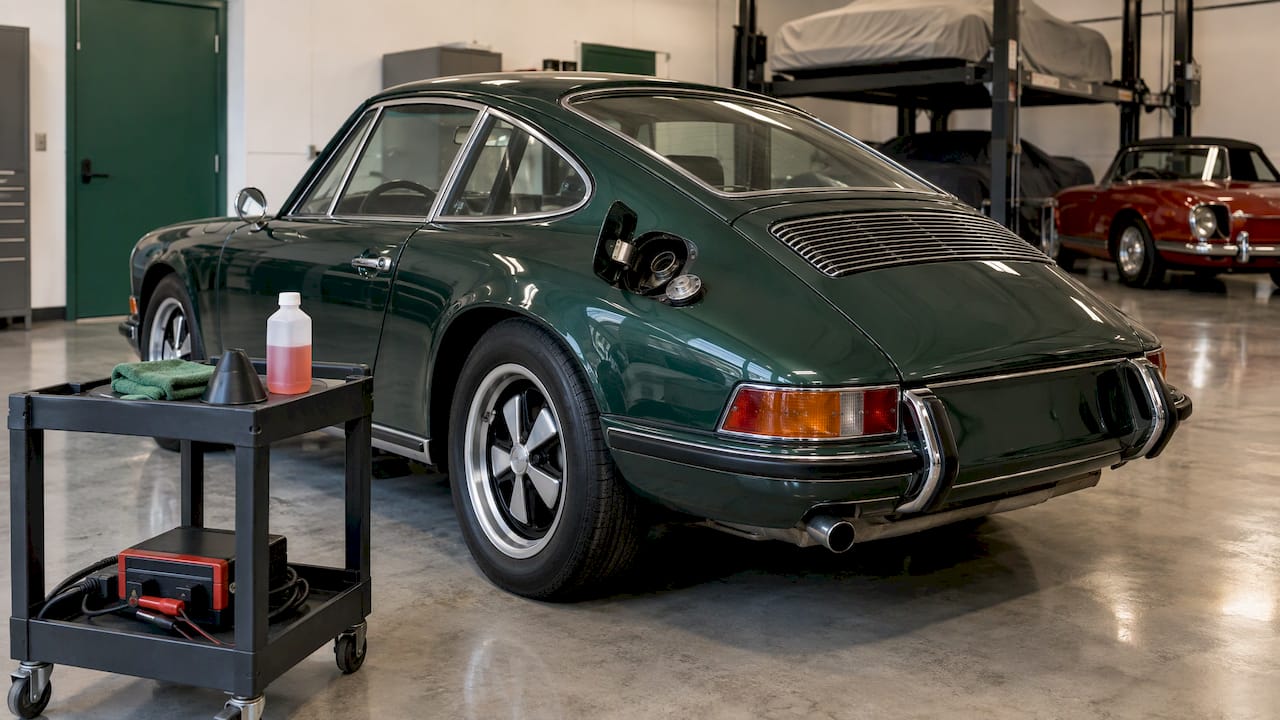
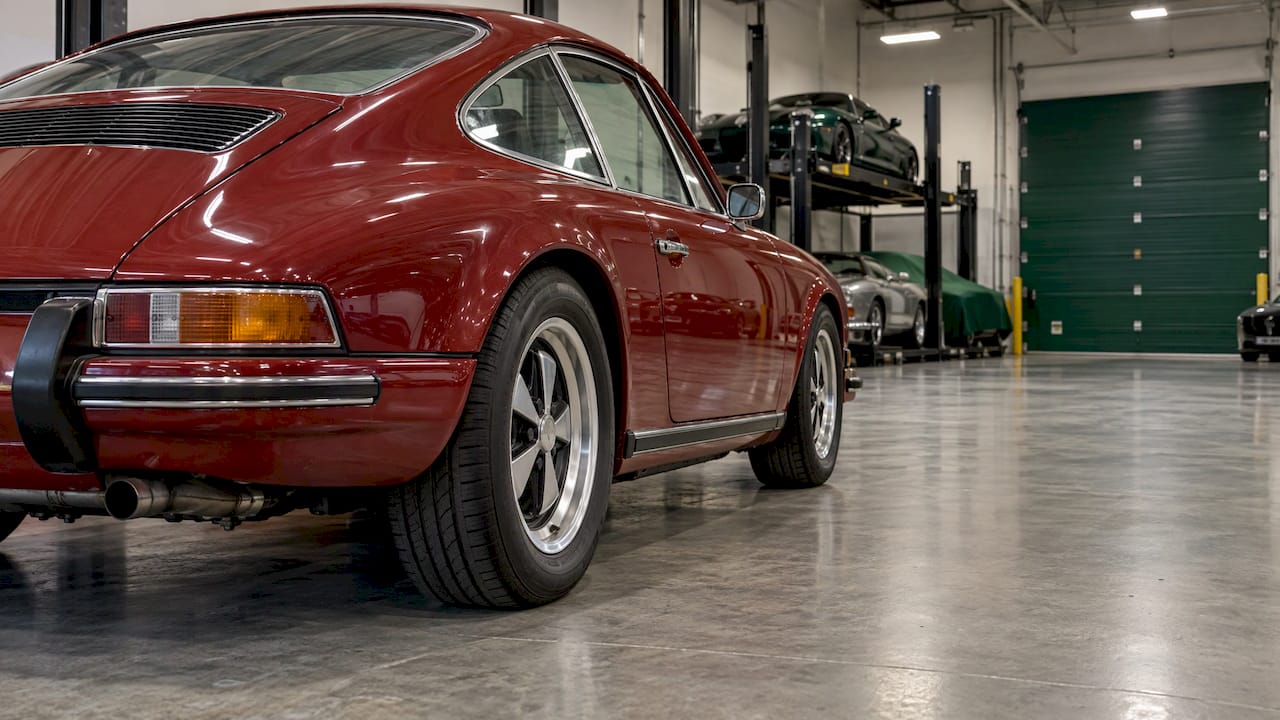
Climate Controlled Car Storage That Protects

A collector car can look perfectly safe while it slowly deteriorates in the wrong environment. A sealed garage without humidity management can invite corrosion. A space that gets hot every afternoon can dry aging trim and accelerate battery wear. And a car left untouched for months can develop flat spots, weak fluids, and a no-start surprise on the day you planned to drive it.
Climate controlled car storage is designed to address those risks, but the phrase alone does not guarantee collector-grade care. For an exotic, classic, or low-production vehicle, the real question is not simply whether a building has air conditioning. It is whether the facility maintains stable conditions and has a repeatable process for caring for the car while you are away.
What Climate Controlled Car Storage Should Actually Control
Temperature matters because repeated swings create stress across materials that age differently. Metal, leather, rubber, adhesives, paint, and electronics do not respond to heat and cold in the same way. A stable indoor environment reduces the expansion, contraction, and condensation cycles that can affect a car stored through seasonal changes.
Humidity is equally important, especially for classics with older metal, chrome, leather, natural-fiber carpeting, or original interior materials. Excess moisture can contribute to oxidation on brake components, corrosion beneath the car, mildew, musty interiors, and moisture-related electrical issues. Extremely dry conditions are not automatically ideal either. Leather and wood trim can suffer when the air is consistently too dry. The goal is a controlled, monitored range rather than an arbitrary number.
Ask a facility how it monitors conditions, where sensors are located, and how it responds when readings fall outside its target range. A temperature display at the front desk is not the same as documented conditions throughout the storage area. For owners who live out of state or travel often, that distinction is meaningful.
Storage Is Vehicle Care, Not Just Indoor Parking
The best facilities treat a stored vehicle as an active responsibility. That begins with an intake inspection that records existing condition, mileage, fuel level, tire condition, warning lights, and any special handling notes. Photos should support the record, particularly for vehicles with delicate finishes, low front splitters, custom wheels, or known cosmetic details.
After intake, the car needs an agreed service schedule. A battery tender should be connected correctly and its status checked, not merely installed once and forgotten. Tire pressures may need periodic review. Fluid levels and visible leaks should be monitored. Depending on the vehicle, the owner’s instructions, and the storage duration, a facility may also provide exercise drives or controlled warm-up procedures.
Exercise drives are a good example of why one-size-fits-all storage can be risky. Some vehicles benefit from being driven periodically to operating temperature, while others should remain stationary unless a qualified person follows a specific protocol. A manual-transmission classic, a modern hybrid, a carbureted collector car, and a high-performance exotic may all have different storage requirements. The right plan follows the vehicle, not a generic checklist.
The Details to Confirm Before You Store
A polished reception area and a climate-controlled sign are not enough. Before selecting a facility, confirm how the team handles the practical details that protect your car and your confidence.
Start with access. Some owners want 24/7 access, while others are comfortable with appointment-based retrieval if the facility can prepare the car in advance. If you use the vehicle for weekend drives, concours events, or track days, ask how much notice is needed and whether the car can be staged, inspected, fueled if requested, and ready on arrival.
Security should be layered rather than limited to a gate code. Look for controlled building entry, monitored cameras, alarm systems, clearly documented key procedures, and staff who know who is authorized to release the vehicle. Discretion matters too. A high-value car should not be left exposed during pickup or transport coordination.
Facility layout also deserves attention. Tight aisles, stacked storage, congested work areas, and frequent movement of unrelated vehicles create opportunities for accidental damage. Ask whether cars are moved only by trained staff, whether protective covers are used, and how the facility prevents door dings, bumper contact, and damage from nearby service work.
Finally, understand insurance responsibilities. A professional facility should be able to explain its coverage and operating policies clearly, but its policy is not a substitute for confirming your own collector-car insurance requirements. Ask your insurer whether the storage location, transport method, and access arrangement affect coverage.
Documentation Lets You Check on Your Car Without Driving Over
The anxiety of specialty storage usually comes from not knowing what is happening after the door closes. Documentation changes that. A useful check-in includes recent photos, the battery-tender status, environmental readings when available, inspection notes, and an exception report if anything needs attention.
For example, an effective notification is not simply, “Vehicle checked.” It tells you that the tender is operating, tire pressures were verified, no new fluid seepage was observed, and the vehicle remains clean and covered. If there is an issue, such as a low tire, warning light, or a need for detailing before an event, you should receive a clear recommendation and a way to approve service.
This level of oversight is particularly valuable when your collection is spread across locations. You should be able to see the condition of a car in South Florida while you are in Boston, request an enclosed pickup for a show, or schedule preparation before a visiting family member wants to drive the vehicle. The people caring for your car should be able to communicate in practical terms, without making you chase updates.
Choosing the Right Climate Controlled Car Storage Plan
The appropriate plan depends on how you use the car. A long-term preservation plan for a concours-level classic may prioritize low handling, detailed inspections, cover protocols, and controlled access. A seasonal plan for a modern exotic may place more value on quick retrieval, wash and detail services, battery management, and transport to a dealership or service appointment.
Price should be transparent, but it should not be evaluated in isolation. A lower monthly rate can become expensive if it excludes the services your vehicle actually needs or requires you to coordinate inspection, transport, and retrieval with separate vendors. On the other hand, paying for extensive exercise or concierge services may not make sense for a car that will sit untouched for just a few weeks.
When comparing facilities, look at the full operating picture: climate management, security, access policy, inspection frequency, service approvals, detailing capability, battery procedures, and enclosed transport options. Then consider the team. A knowledgeable facility will ask about your vehicle’s history, storage duration, key fobs, alarm systems, starting procedure, ground clearance, and any known quirks. Those questions are a sign that your car will be handled thoughtfully.
Prepare the Vehicle Before Drop-Off
A professional storage provider can help with preparation, but owners should still arrive with clear instructions. Share the preferred fuel level, battery-tender connection details, alarm or immobilizer information, tire-pressure targets, and any instructions for starting or moving the car. If the car has a kill switch, special key sequence, aftermarket tracker, air suspension, or unusually low clearance, document it.
The car should be clean before storage, including the underbody when practical. Road salt, brake dust, insects, and moisture trapped beneath a cover can create avoidable problems. Remove food, loose personal items, toll tags if desired, and anything that can leak or attract pests. If a cover is used, it should be clean, breathable, and suitable for the vehicle’s finish.
For owners comparing specialized options by city or ZIP code, NapGarage helps bring these operational details into one place, from climate control and remote check-ins to detailing, pickup requests, and enclosed vehicle transport.
The right storage facility should make the next drive feel routine, not like a recovery project. Whether your car is resting between driving seasons, waiting for a show, or simply making room at home, choose a team that can show you how it is cared for and have it ready when the road calls.