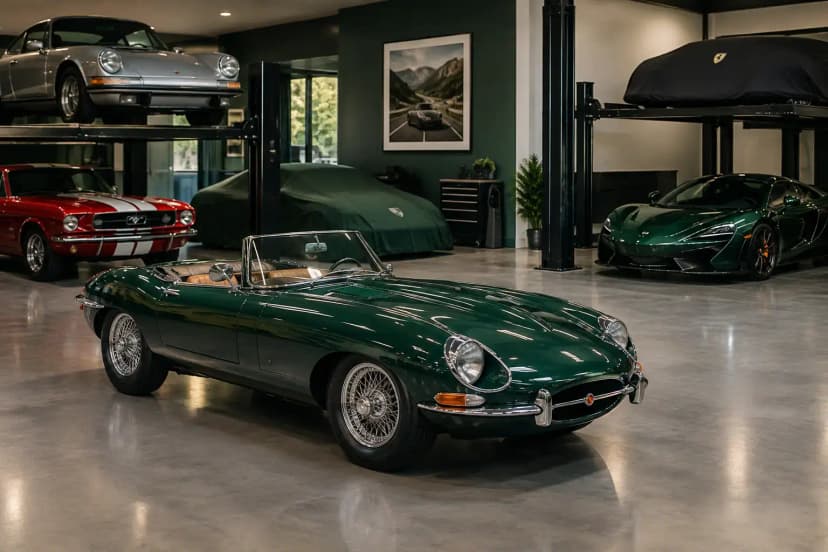
Classic Car Preservation: Protect Condition and Value
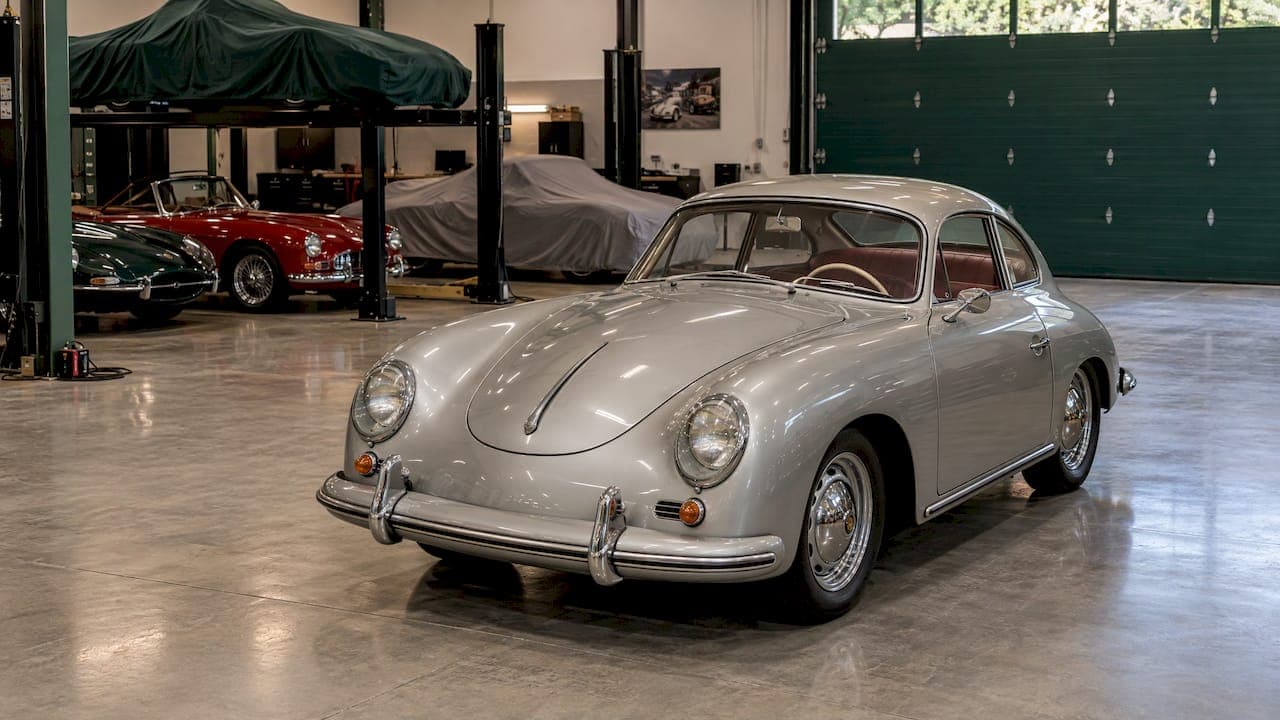
Preserving a classic car comes down to three things: keeping moisture, salt and dust off the metal, keeping fluids, rubber and the battery from aging while the car sits, and keeping a record that proves you did both. Do those consistently and the car holds its originality, which is what buyers pay for. If you would rather not run that routine yourself, climate-controlled storage with battery maintenance, fluid checks, detailing, exercise drives and photo inspection reports delivered to your phone, which is what we help collectors find at NapGarage, does it for you.
This guide covers what a collector who rarely drives needs: the routine, the storage prep, the fuel and battery details, and the paperwork.
NapGaragePreserve Your Classic Between DrivesNapGarage pairs climate-controlled storage with battery maintenance, fluid checks, detailing and exercise drives to help protect classic cars while they sit.- ✓Battery maintenance
- ✓Fluid checks
- ✓Detailing
- ✓Exercise drives
Key Takeaways
- Wash and dry the underbody before storage. Road salt left on a car can destroy structural integrity, and no humidity setting fixes that.
- A short idle does more harm than good. Drive the car to full operating temperature or leave it alone.
- Use a proper battery tender, not a plain trickle charger, and keep fuel fresh and stabilized.
- Keep a dated service log with receipts. It supports the car’s value when you sell.
- Climate-controlled storage with scheduled care and photo reports lets you preserve the car without visiting it.
Table of Contents
- What preservation means for a classic
- The maintenance rhythm for a car you rarely drive
- Why a short idle is the wrong move
- Preparing a classic for storage
- Battery, fuel, tires and fluids
- Humidity, condensation and the storage space
- Records: the cheapest way to protect value
- Doing it yourself versus having it done
- Find climate-controlled storage near you
- Our view on preservation
- FAQ
- Sources
What preservation means for a classic
Restoration makes a car look new. Preservation keeps what is already there: original paint, original metal, original interior, original mechanical parts. The National Park Service, which maintains historic vehicles in its museum collections, describes its treatment steps as ways to preserve a vehicle’s original appearance and function as long as possible by maintaining original materials. That is a useful mindset for any owner: every repaint, replaced panel or swapped part is hard to undo, and every year of neglect costs something you cannot buy back.
Value follows the same logic. Condition, originality and documentation are what separate a well-kept classic from a tired one. Most of the enemies are slow and quiet: moisture, salt, old fuel, a dead battery, flat-spotted tires, rodents and dust. Nothing on that list needs a dramatic repair if you catch it early, but all of it is expensive once it takes hold.
The maintenance rhythm for a car you rarely drive
A low-mileage classic still ages by the calendar. A schedule published by Motorious in 2026 breaks the work into intervals that suit an occasionally driven car. Here is the version worth keeping on the garage wall.
Before every drive
Walk around the car. Look under it for fresh puddles, check that no tire is sagging, confirm oil and coolant levels, and test the lights and brakes before you pull out. Two minutes here catches the leak or soft tire that would otherwise turn a Sunday drive into a tow.
Monthly
Check tire pressures, including the spare, then check battery terminals and charge. Take the car on a drive long enough to reach full operating temperature, and look over belts and hoses while the hood is up. The temperature part matters, and the next section explains why.
Each season
Inspect brake fluid and pads, steering and suspension, and look for rust. This is also the time to wash and wax, which protects the paint and gives you a close look at the body.
Once a year
Change the oil and filter even if the odometer barely moved. Also replace air and fuel filters, inspect the cooling system, check spark plugs, check tire date codes and have the alignment inspected. The same source suggests flushing brake fluid every couple of years. The FIVA guide for historic vehicles, a professional standard from the international federation, goes further: it recommends replacing brake fluid at least every three years, sooner in damp storage, and a careful inspection of structure, wheels, steering, brakes and suspension mountings at least once a year. A car that has sat unused for more than a year should be checked particularly carefully before it is driven.
Why a short idle is the wrong move
Starting the car in the garage and letting it run for ten minutes feels responsible. It is not. In a briefly run engine the coolant can approach 180°F while the oil is barely above 100°F. Combustion produces water vapor, and when the oil is too cold to boil it off, that water ends up in the crankcase and forms acids, according to an owner’s storage guide. A proper drive that gets the oil hot drives the moisture back out.
The rule is simple. If you can drive the car to full temperature, do it. If you cannot, do not start it. This is the reason monthly drives appear in every serious schedule, and the reason many collectors want someone else to handle them. Our storage listings include exercise drives for exactly this purpose, so the car is moved and brought up to temperature without you making the trip.
Preparing a classic for storage
Storage prep is where most value is protected or lost. The sequence below draws on the NPS conservation guidance and on collector insurance guidance.
- Wash and detail thoroughly, inside and out. American Collectors Insurance recommends starting with a full detail before the car goes away. Dirt left on a finish tends to stay there for months.
- Clean and dry the underbody. The NPS notes that salt on an unwashed underbody can destroy structural integrity. Wash the underside, wheel arches and sills, then let them dry completely. Humidity control cannot rescue metal that is still carrying salt.
- Change the oil. Old oil carries contaminants that can cause internal corrosion, so the same insurer’s guide says to confirm the oil is in outstanding condition before storage.
- Deal with the fuel. Fill the tank and add a stabilizer, or follow the manufacturer’s guidance for your car. More on this below.
- Protect the tires. Overinflate by a few psi, and use tire cradles or jack stands for long layups so the tires do not flat-spot.
- Leave the parking brake off. Use chocks instead. Progressive’s storage tips point out that a set parking brake can let pads, rotors or drums rust together.
- Block pests. The same page recommends rodent deterrents and steel wool in the exhaust pipes and air cleaner snorkel.
- Cover the car. Even indoor spaces collect dust and dirt that can be corrosive to a finish, so a breathable cover is worthwhile.
Our own walkthroughs go through the same sequence in more detail: how to store a classic car step by step, and a winter car storage guide for cold-climate owners.
Battery, fuel, tires and fluids
The battery
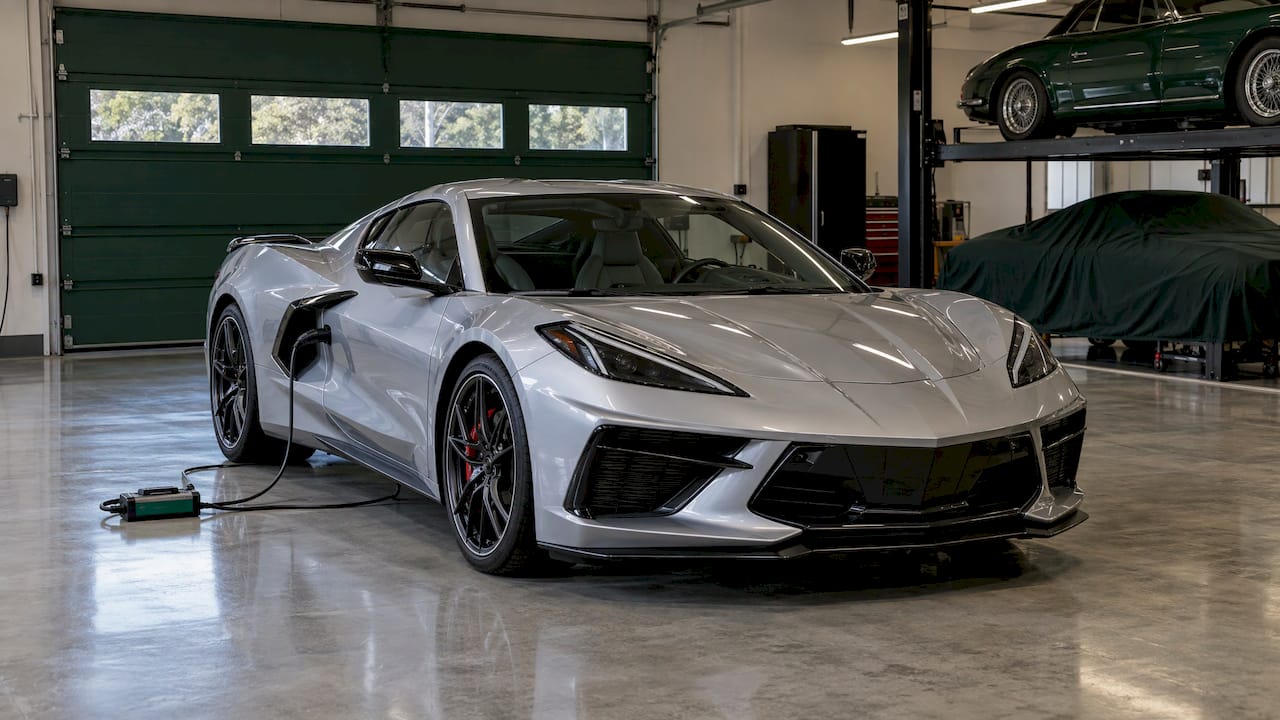
Disconnect it, or use a battery tender. A tender monitors the charge and backs off when the battery is full. Progressive specifically warns against a plain trickle charger, which it calls a potential fire hazard. If you do not know when the next drive will be, disconnecting is the safer default, which is also the advice in long-term storage guidance for a classic from DeLorean.
Fuel
Gasoline is the first fluid to degrade. The DeLorean guidance says ethanol-blended fuel has a shelf life short enough that six months of storage can change how the car runs, and that a car left more than a year without fresh fuel and stabilizer will likely develop fuel-injection problems. Its approach is to remove as much fuel as possible, add a commercial stabilizer and run the engine for five to ten minutes to circulate it. Other collectors keep the tank full to limit condensation. Both approaches share the same goal: stabilized fuel throughout the system. Check your own car’s manual, and note that ethanol-blended fuel can deteriorate rubber parts in older fuel systems, so ethanol-free fuel is worth using where you can.
Tires
A car that sits in one spot lets its weight flatten the same patch of rubber. Slight overinflation, cradles or jack stands prevent that. Check tire date codes every year: age matters as much as tread, and FIVA advises replacing tires whose walls are damaged or inflexible.
Fluids and interior
Keep fluids full and fresh and confirm the coolant has freeze protection if the car sees cold. Progressive suggests a container of baking soda inside to absorb odors. Leave the interior clean and dry before you close the doors.
Humidity, condensation and the storage space
The space matters as much as the prep. Swings in temperature and humidity push moisture onto cold metal, which is where surface rust and musty interiors begin. A dry, climate-controlled, secure building is what Progressive recommends for a classic, and a home garage often cannot match it, particularly in humid or cold regions.
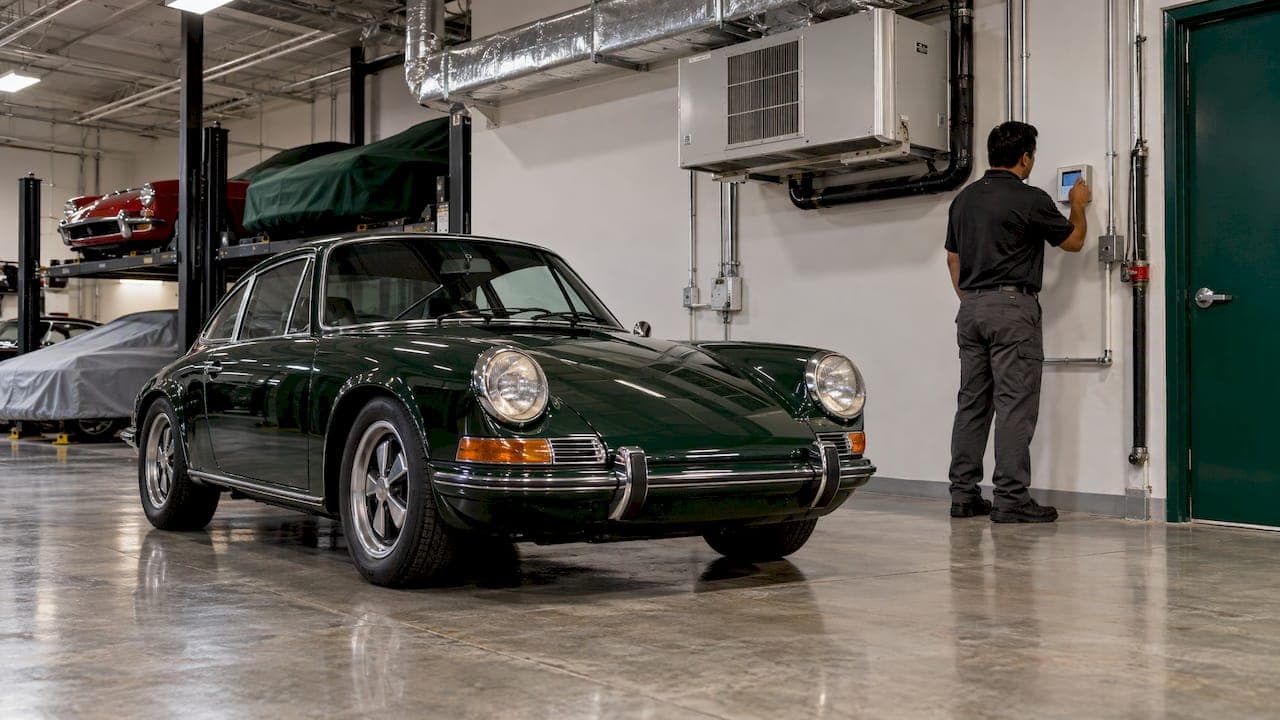
Two practical points. First, a concrete floor can wick moisture, so a sealed vapor barrier under the car helps in an unconditioned space. Second, a car bubble that filters air needs continuous power for its fan and will not stop a determined rodent, so a cover underneath still makes sense, as the collector insurance guide explains.
If you want target numbers, we explain which humidity level suits car storage and how to prevent condensation in a parked or stored car.
Records: the cheapest way to protect value
Motorious advises keeping a written record of every service, with dates, mileage and receipts. A well-kept log helps you spot patterns early and gives a future buyer reason to trust the car. That trust is part of what a classic is worth.
A good preservation file holds:
- Service invoices and parts receipts, in date order
- Dated photos of the car, taken from the same angles each time
- Each storage period, with start and end dates and mileage
- Inspection notes for brakes, fluids, tires and any leaks
- Original documents, such as the title history, manuals and window sticker if you have them
Photos matter more than owners expect. A dated series showing the paint, underbody and interior in good shape is evidence of care. It also shows a leak or a bloom of surface rust the week it starts. Our vehicle storage inspection checklist lists what to look at on each visit.
Doing it yourself versus having it done
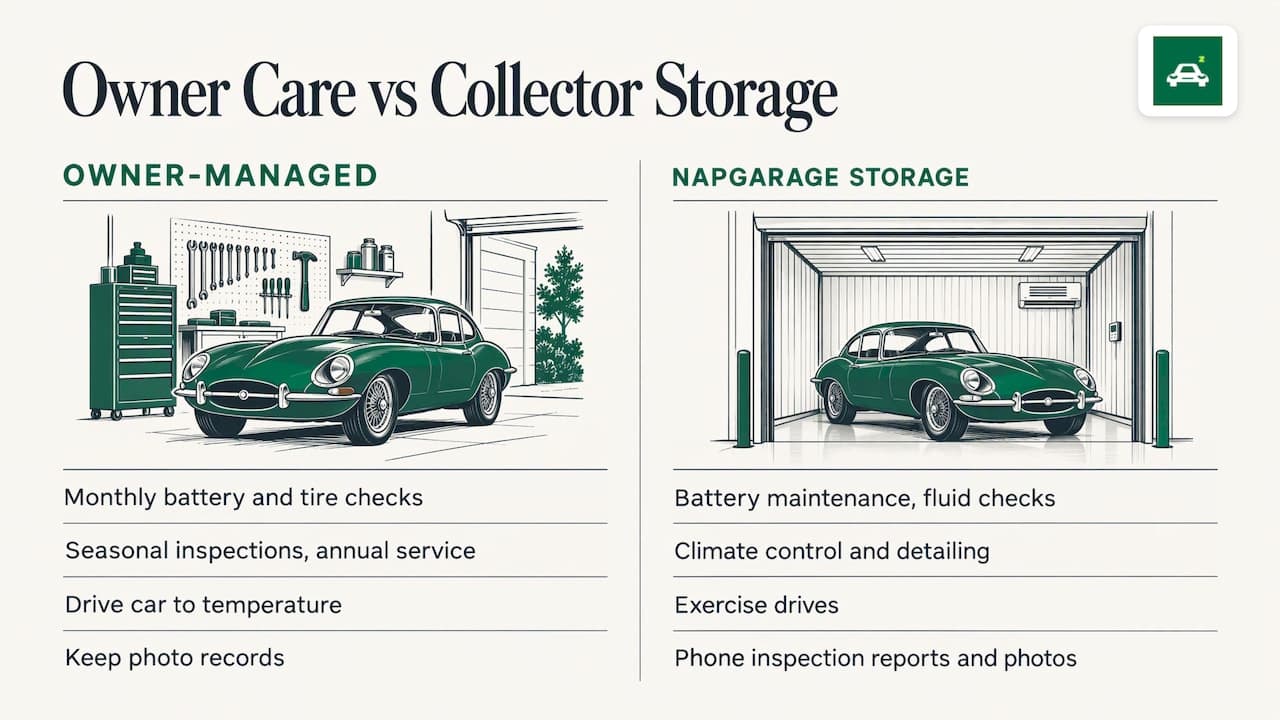
The routine above is not hard, but it is relentless. Monthly battery checks, tire pressure, a drive to temperature, seasonal inspections, annual service and photo records add up to a recurring commitment, and it breaks down the moment travel, work or weather interrupts it. A missed month is not a disaster. A missed winter can be.
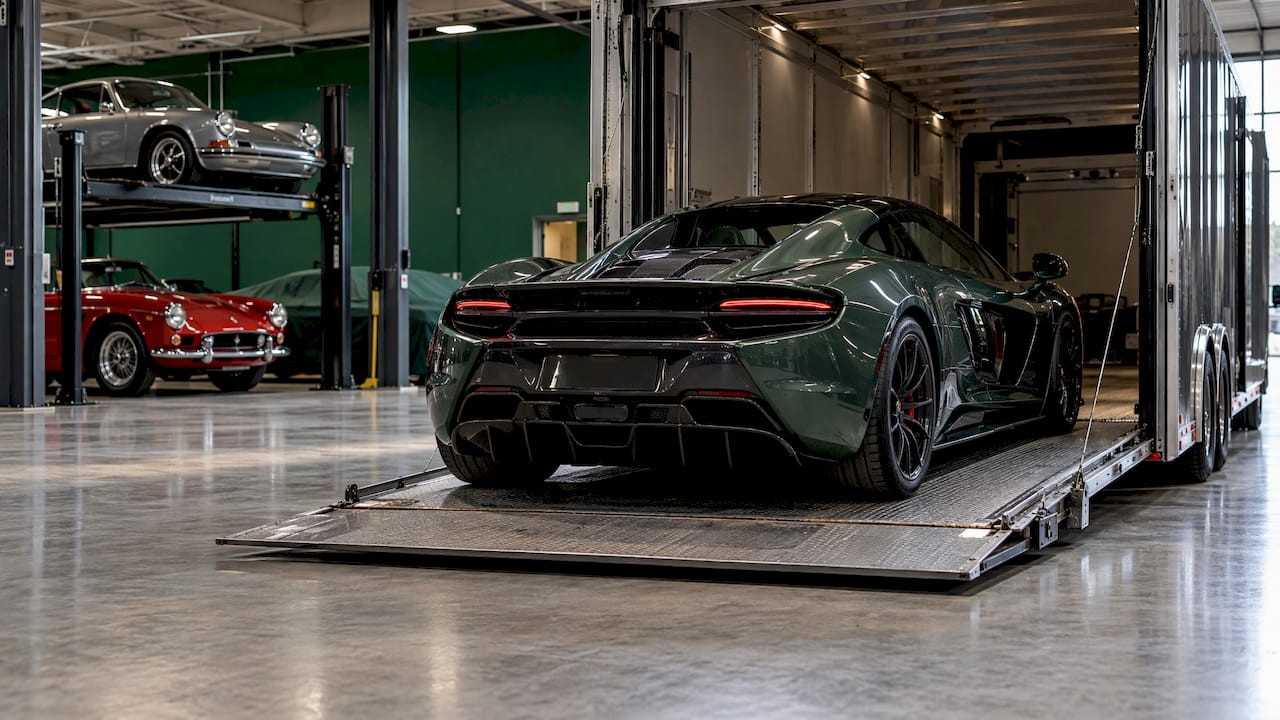
This is where storage designed for collectors earns its place. NapGarage storage covers climate control, battery maintenance, fluid checks, detailing, exercise drives and enclosed transport. Inspection reports and photo check-ins arrive on your phone, and you can request pickups and details through the mobile app. Each piece of the routine in this article is covered, and the record builds itself as you go. For a deeper look at choosing a facility and what it costs, read our guides to classic car storage and exotic car storage. If your car also needs detailing while it is stored, see detailing while your car is stored.
Find climate-controlled storage near you
If you want the routine handled, tell us what you drive and where you are. We match collectors with specialty storage facilities, and you can request a quote through our exotic and classic car storage page or browse facilities by city, including Miami, Las Vegas and Sterling, Virginia.

Our facility listings are built around enthusiast-grade care, so what you see on the page is the care the car receives: battery maintenance, fluid checks, exercise drives, detailing and photo reports.
Our view on preservation
Collectors rarely lose a car’s value in one bad moment. They lose it through a dead battery that was never checked, a winter nobody washed the salt off, a tank of old fuel or a missing service record. Preservation is mostly consistency.
That is why we focus only on enthusiast-grade storage. A car kept in a climate-controlled space, with its battery maintained, fluids checked, detailing done and exercise drives scheduled, gets the routine that serious guides describe, on time, every time.
The second part is visibility. Inspection reports and photo check-ins on your phone mean you know what the car looks like this month without driving to the facility, and the app lets you request a pickup or details when you want to use it. You stay the owner of the car and the author of its story, with a documented history behind it.
The result is a car that stays original, stays accessible and stays easy to sell well when the time comes.
NapGarage Team
FAQ
How do I protect my classic car’s value?
Keep it original, keep it clean and dry, and document everything. Wash the underbody before storage, use a battery tender, stabilize the fuel and keep a dated log of services with receipts. A well-kept log gives a future buyer reason to trust the car.
Is it bad to start a classic car and let it idle?
A short idle can leave combustion water in oil that has not warmed enough to boil it off, which forms acids in the crankcase. If you can drive the car long enough to reach full operating temperature, do so. If you cannot, leave it parked.
How often should a stored classic be driven or inspected?
A monthly drive to full operating temperature is the usual minimum, with a walk-around before each drive and seasonal checks of brakes, steering and suspension. Have the whole car carefully inspected at least once a year, as FIVA recommends for historic vehicles.
Do I need climate-controlled storage?
A dry, climate-controlled, secure building is the standard recommendation for a classic you value, because it limits the moisture swings that cause rust and interior damage. Our storage listings pair that with battery maintenance, fluid checks and photo inspection reports.
Sources
- NPS Conserve O Gram: Preparing Historic Motorized Vehicles
- Classic Car Maintenance Schedule: Monthly to Annual, Motorious
- FIVA Guide for Users of Historic Vehicles
- Storing a Classic Car: Winter Layup, Garages and More
- Best Practices for Classic Car Storage, American Collectors Insurance
- Classic Car Storage Tips, Progressive
- Long Term Storage, Classic DeLorean Motor Company
- Top Tips for Classic Car Maintenance, Fast Lane Classic Cars